This project has been funded with support from the European Commission. Communication reflects the views only of the author, and the Commission cannot be held responsible for any use which may be made of the information contained therein.
In this Erasmus+ project we focus on 3 paramount global objectives of the 2030 Agenda , Gender Equality, Climate Action, and Reduced Inequalities in order to provide a common ground for teenagers to collaborate together for peace and prosperity now and into the future.
In our school, through initiatives such as Erasmus + and the help of the Violet, Green and Radio Committees, we are making big efforts to break social harmful patterns that are undermining our wellbeing.
It will not be the technological maelstrom that will dominate the changes that occur in society and our planet, it will be us who will change to improve the way we apply knowledge, technology and creativity. We want to change our mindset as humans to cohabit the Earth following our heart and with wise reasoning, like any other species, rationally and according to nature.
“You can’t use up creativity. The more you use, the more you have.”
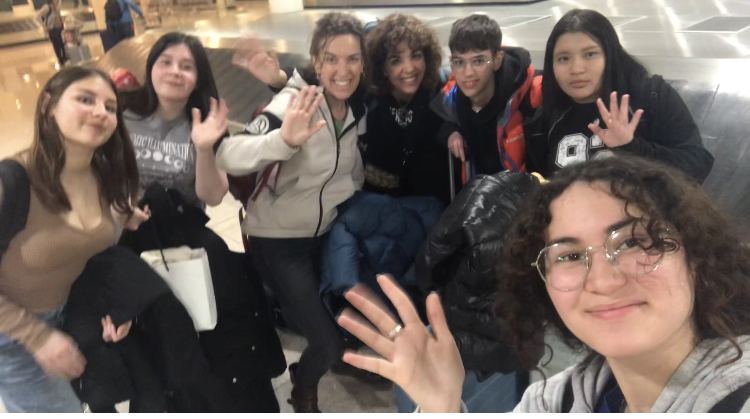
This was our inaugural mobility experience with six 4th-year ESO students as part of the ESTEM CANVIANT! project, which seeks to engage adolescents in achieving Sustainable Development Goals (SDGs) 5, 10, and 11 of the 2030 Agenda. Building on last year’s mobility in Germany, this time Slovakia served as our host, with a particular emphasis on Gender Equality.
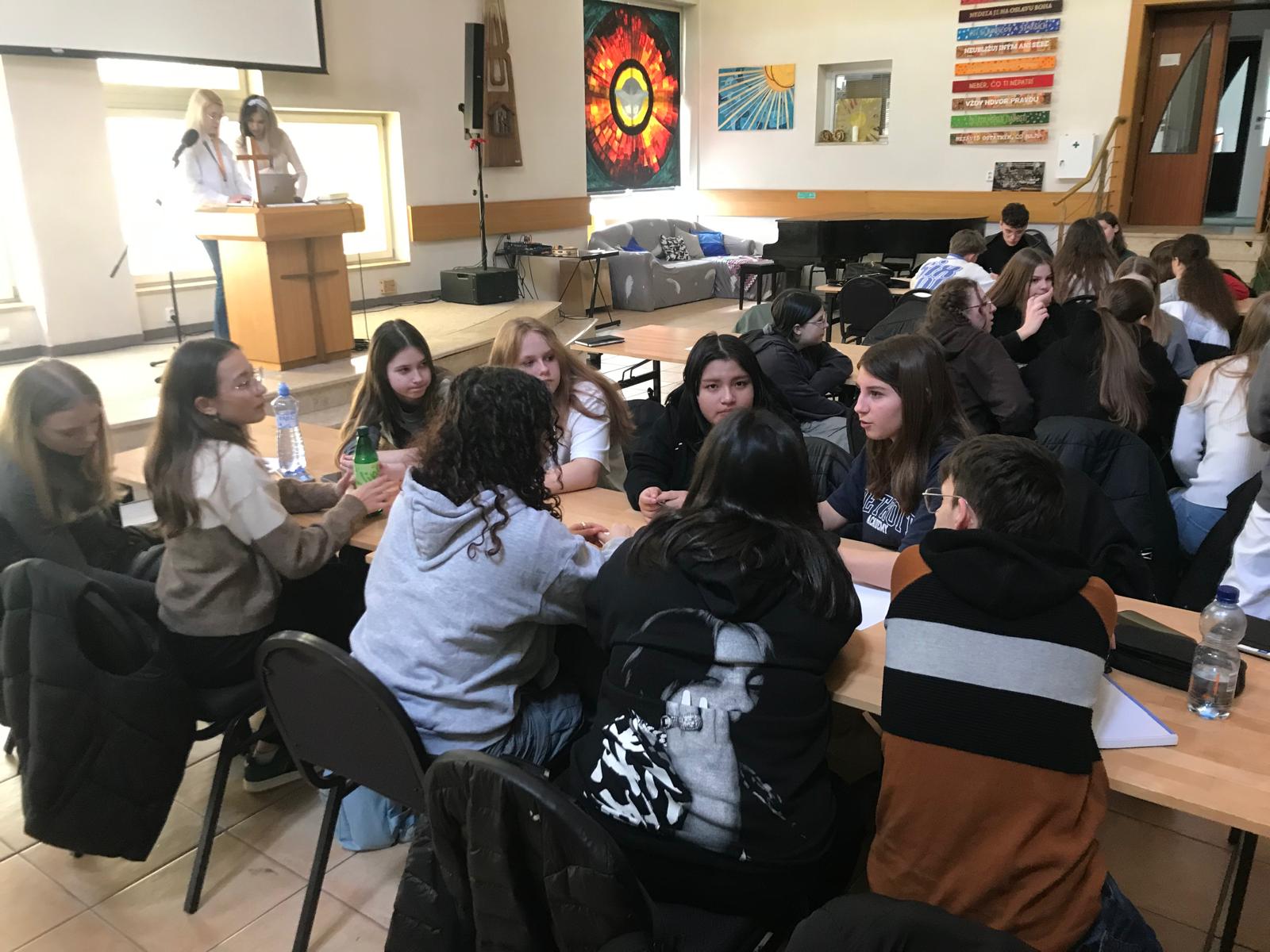
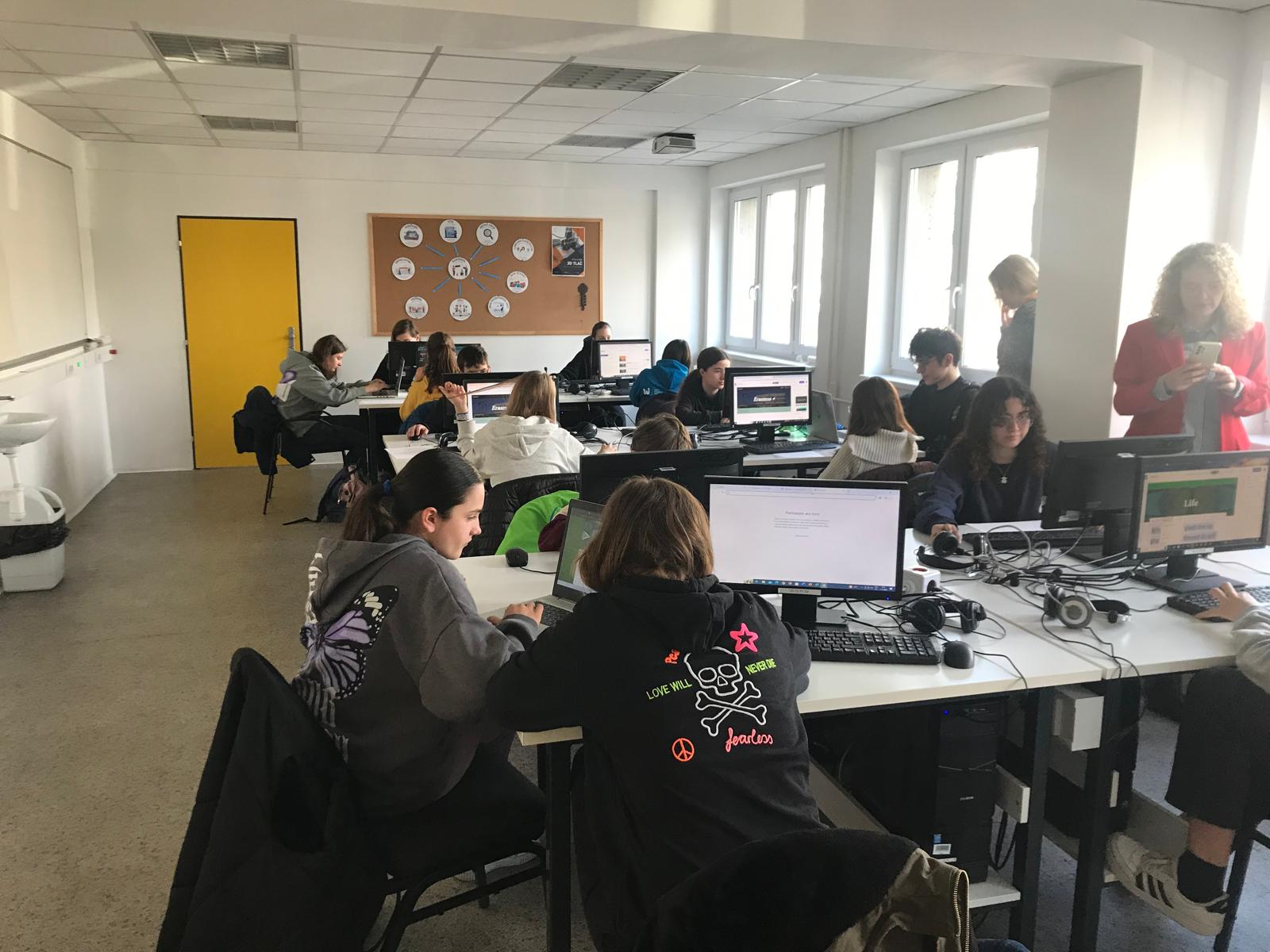
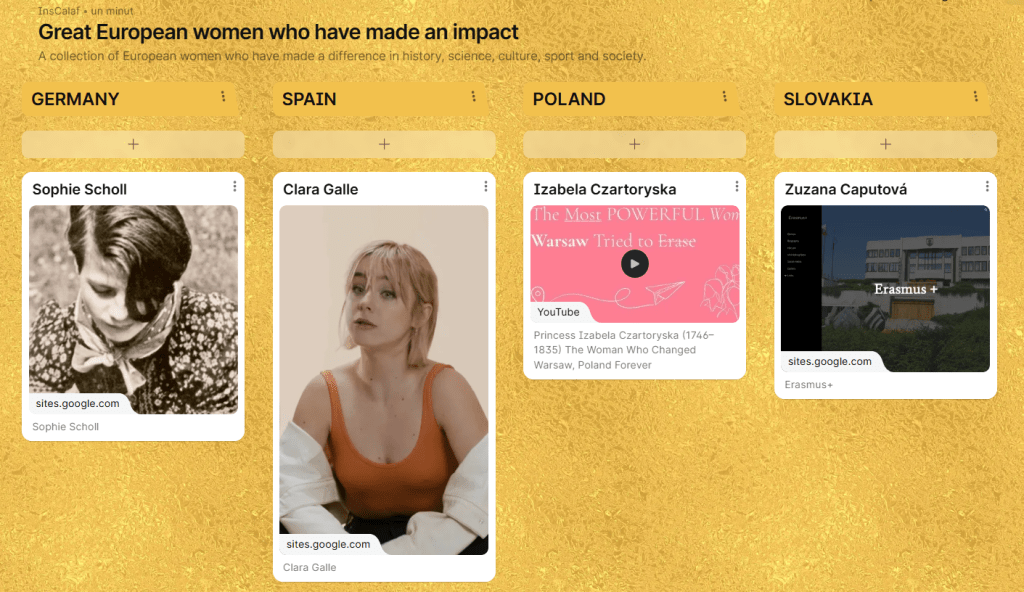
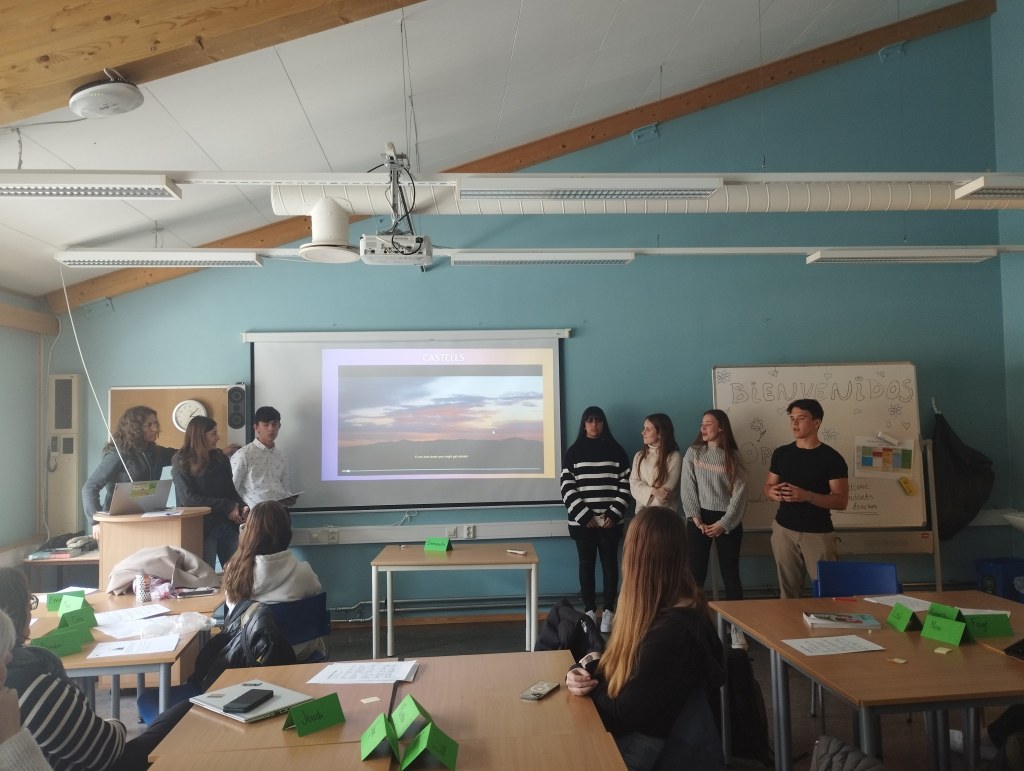
During our week in Martin, we engaged in a collaborative project titled “The Great Women,” where mixed groups from various countries worked together to create a website highlighting significant women whose contributions have not received adequate recognition in mainstream culture. Students collaborated for four days before presenting their research on the final day.
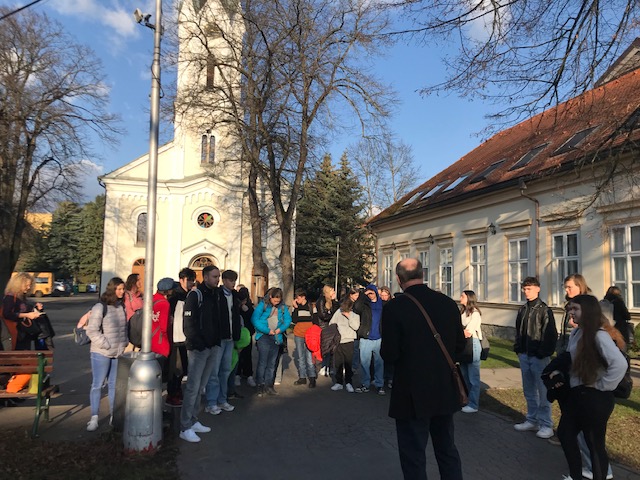
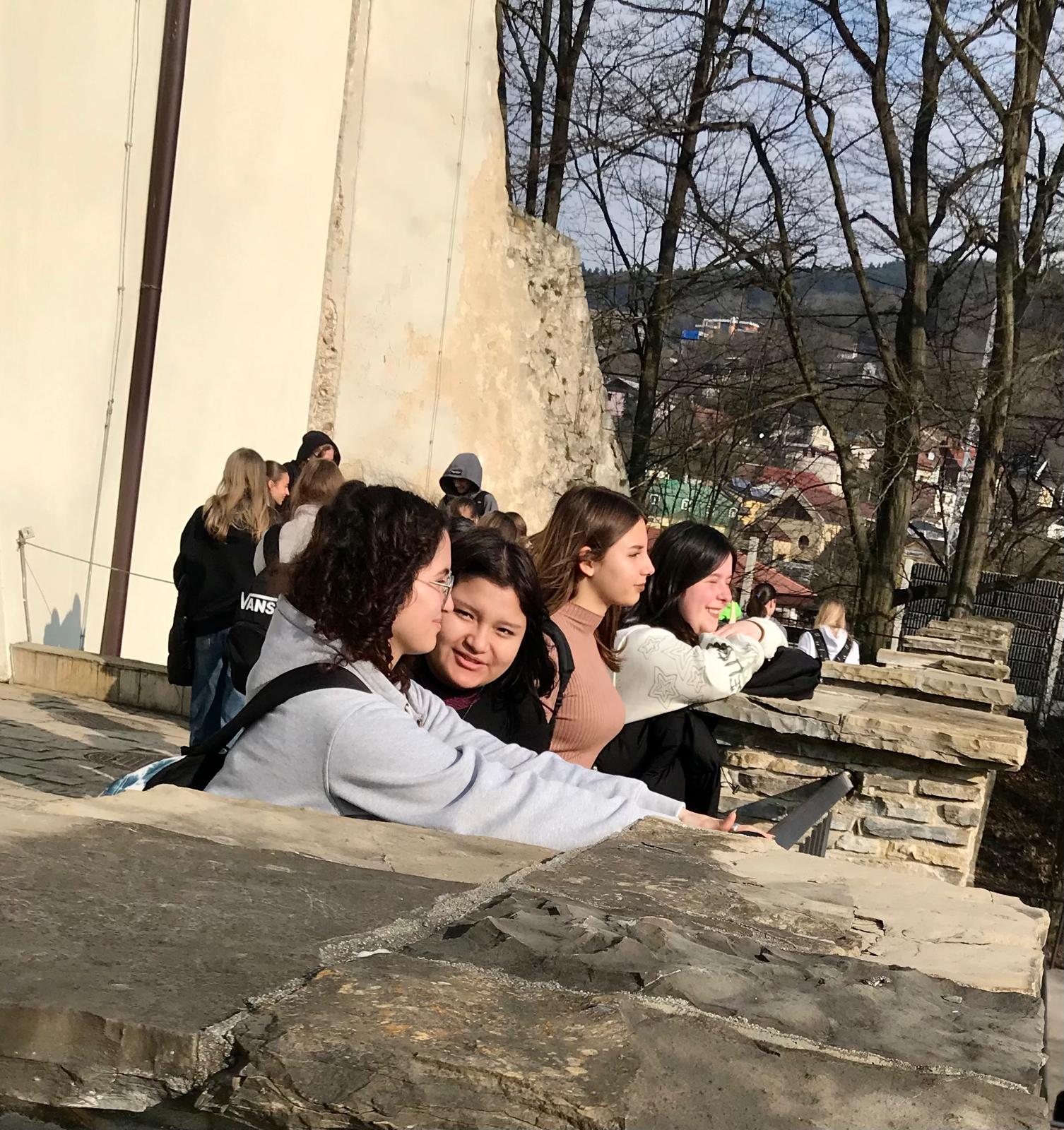
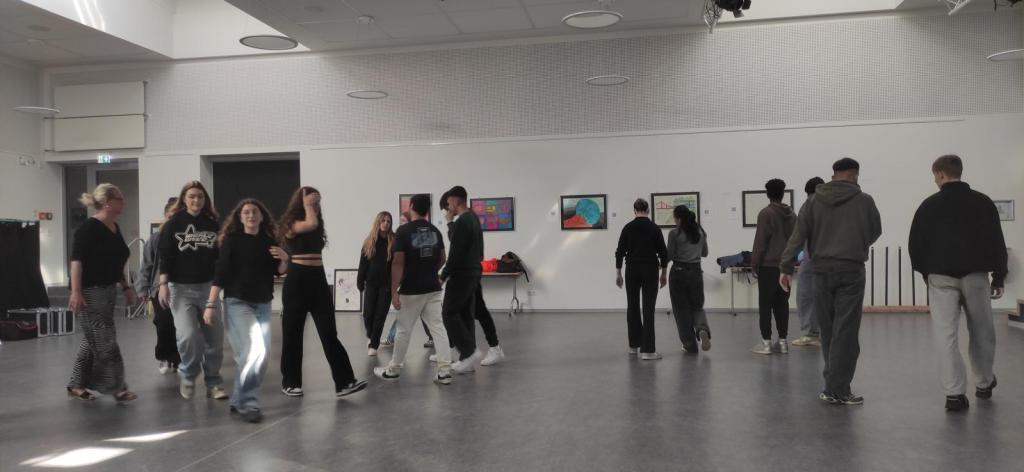
The Slovak teaching team incorporated activities focused on emotional management, mindfulness, and concentration, which proved to be both enjoyable and beneficial for our students. We also had the opportunity to explore the cultural offerings of Martin, including a visit to a local castle and a village museum, as well as sharing meals and watching a movie together. These experiences deepened our understanding of Slovak culture.
Group cohesion can be enhanced by exploring the world together
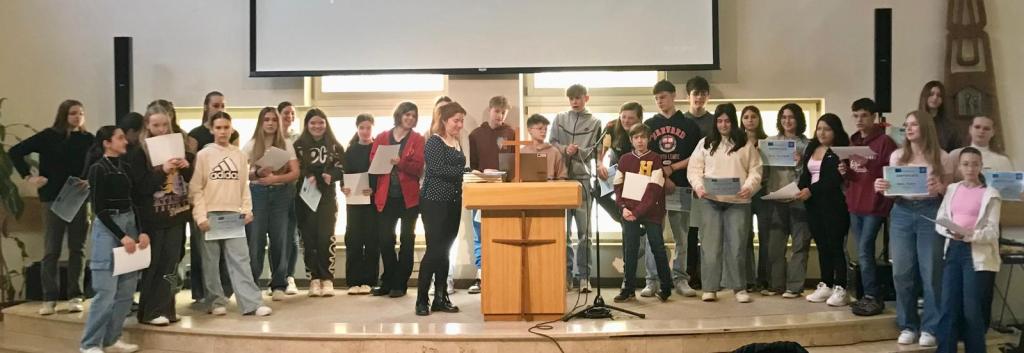
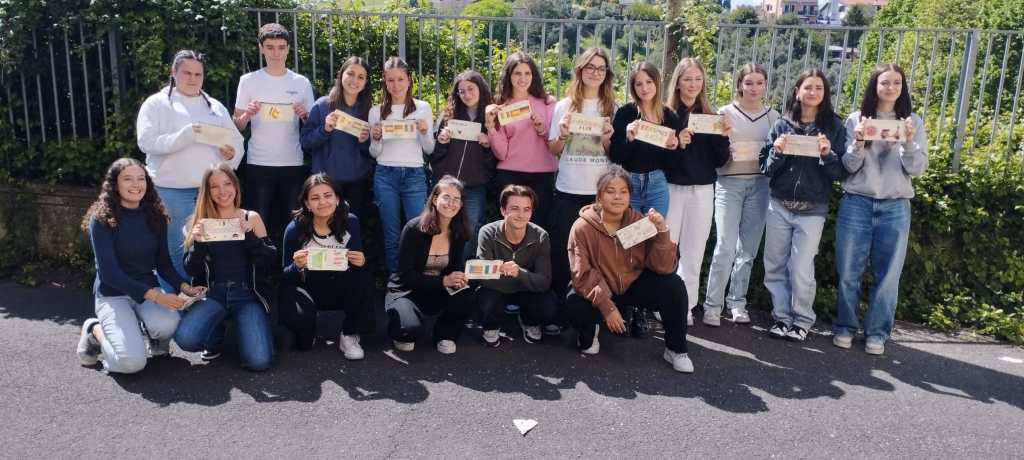
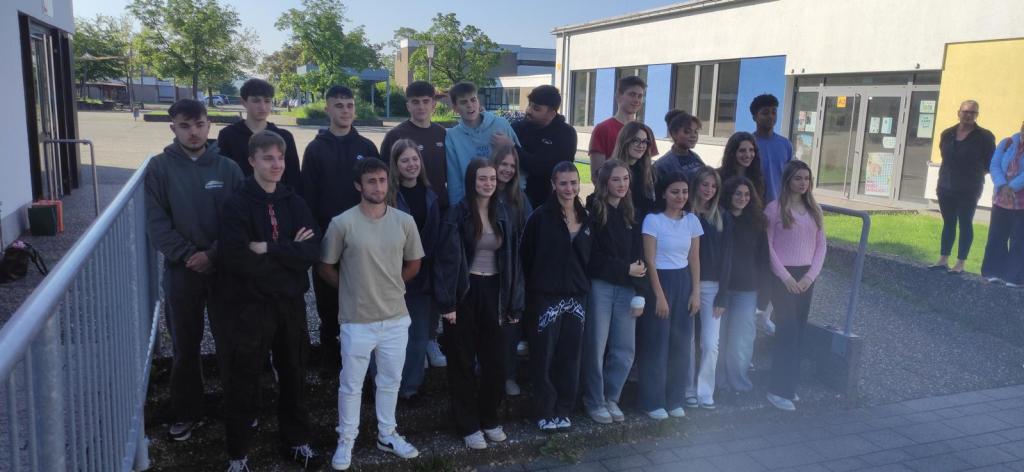
Students from 4 different countries have proudly received their Erasmus+ Certificates! This milestone not only celebrates their hard work and dedication but also opens doors to new opportunities and cultural exchanges.
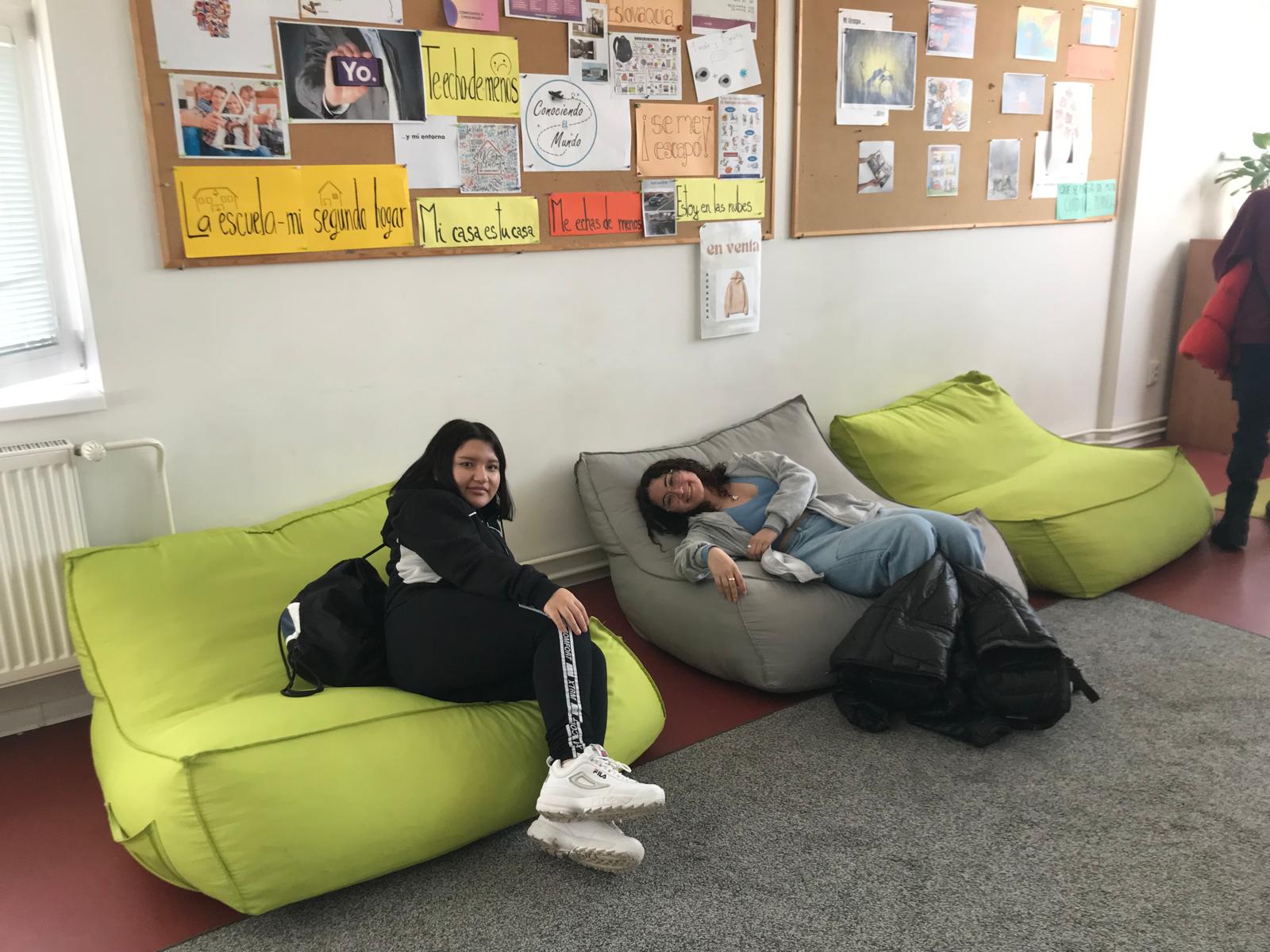
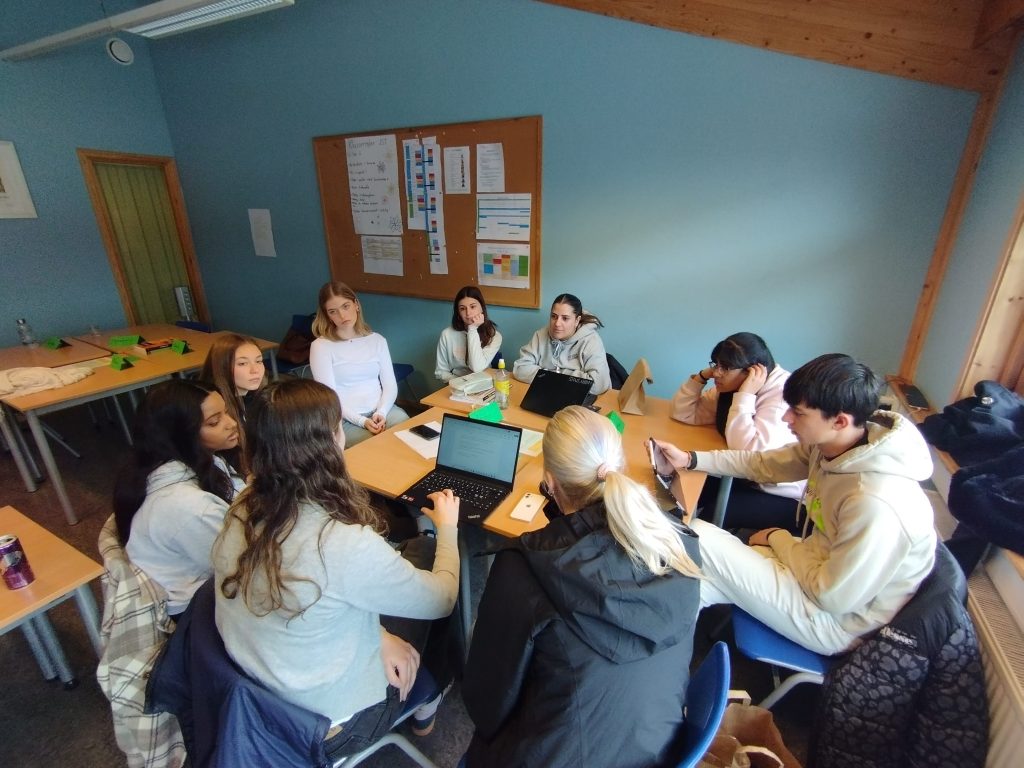
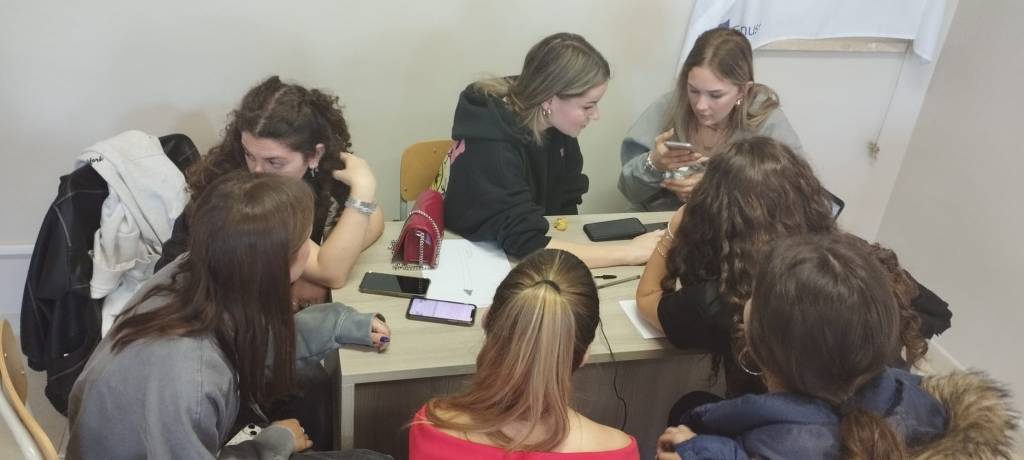
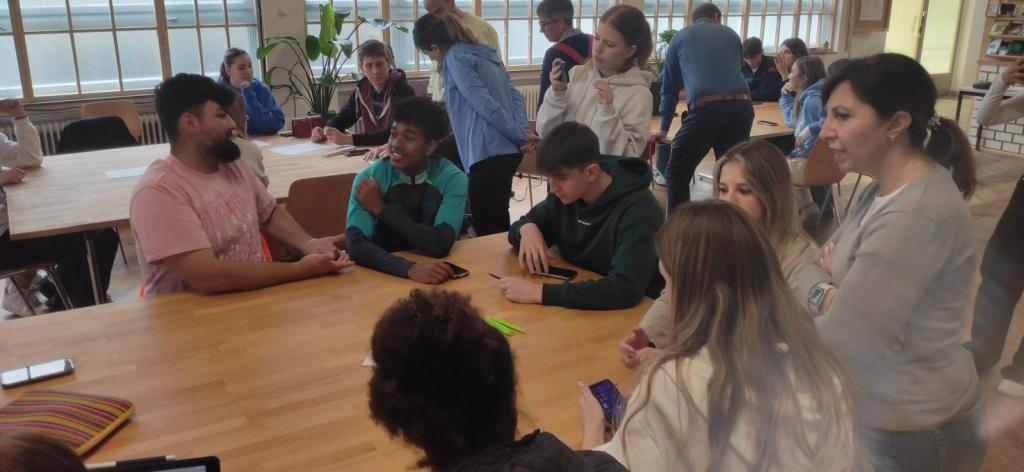
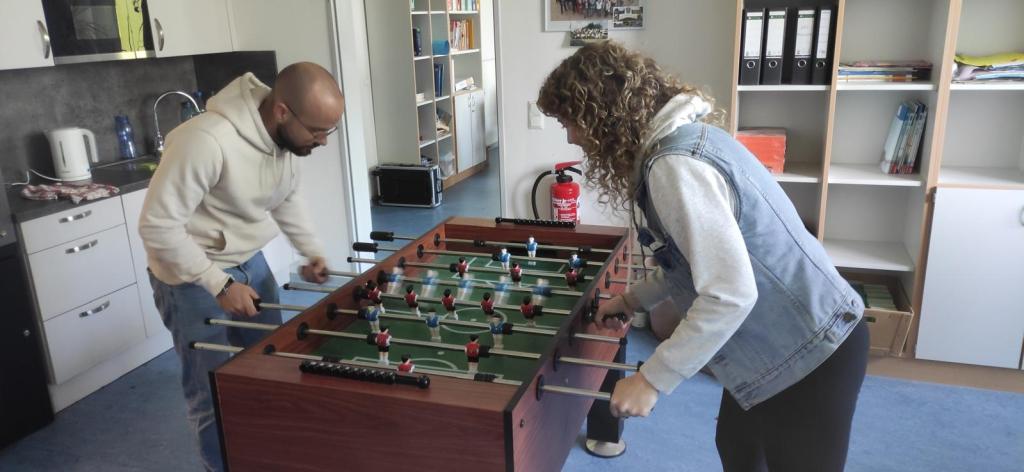
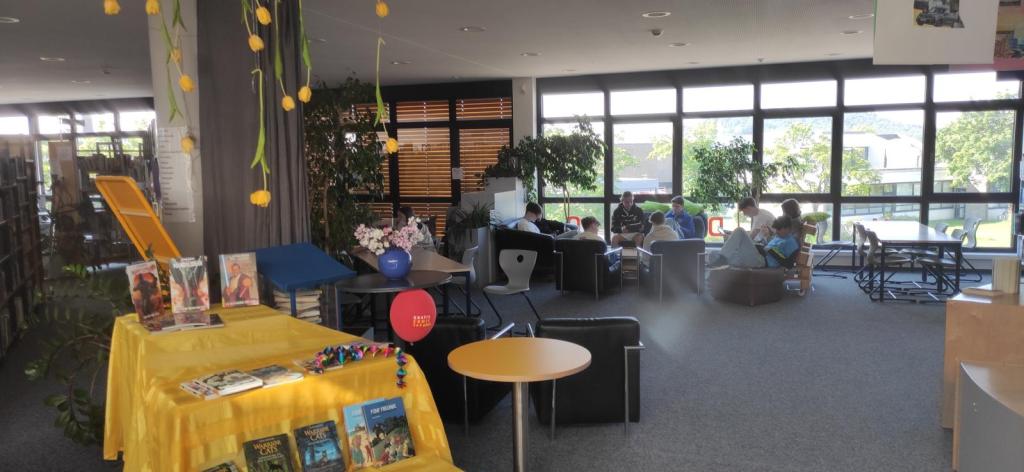
Collaborative Work and Brain Break Areas
Discover the Charm of the Second-Hand Clothing School Market!
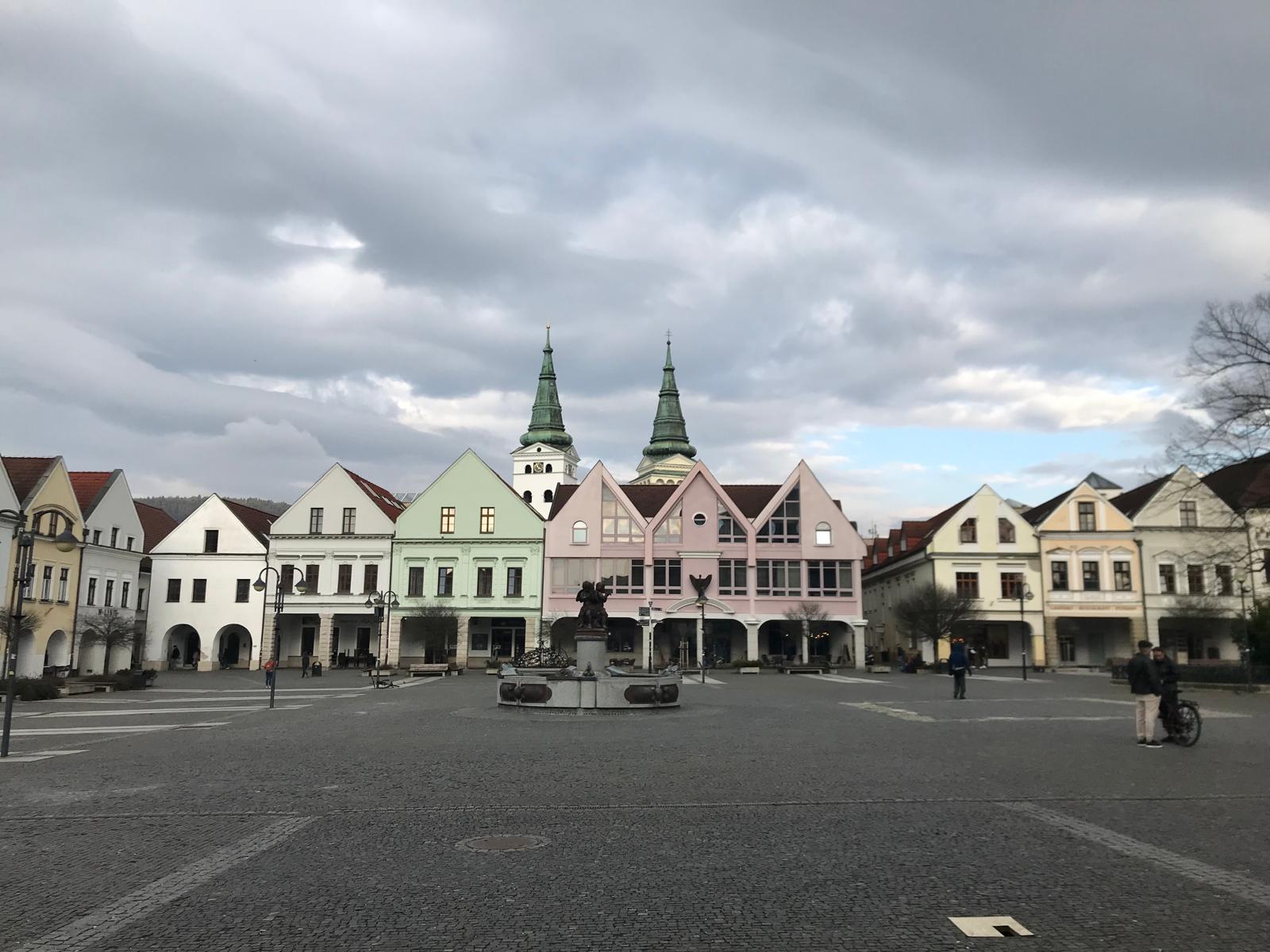
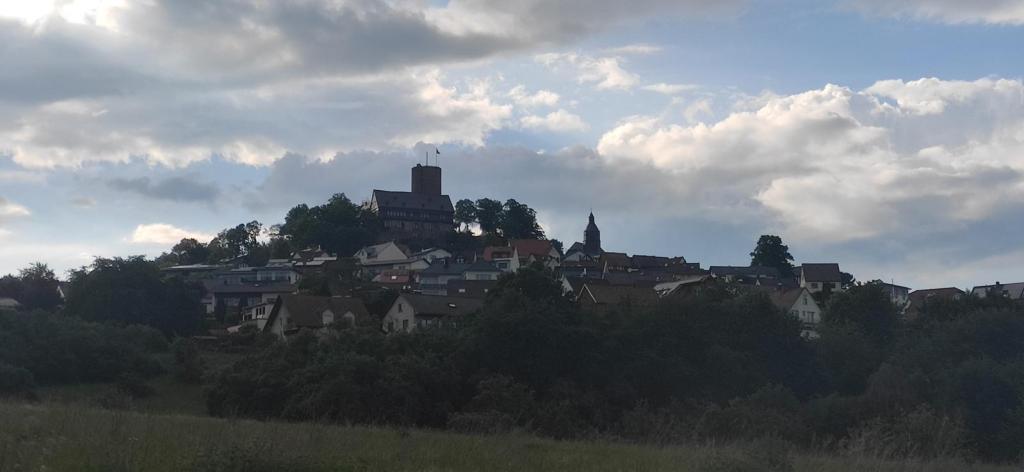
Slovak scenery
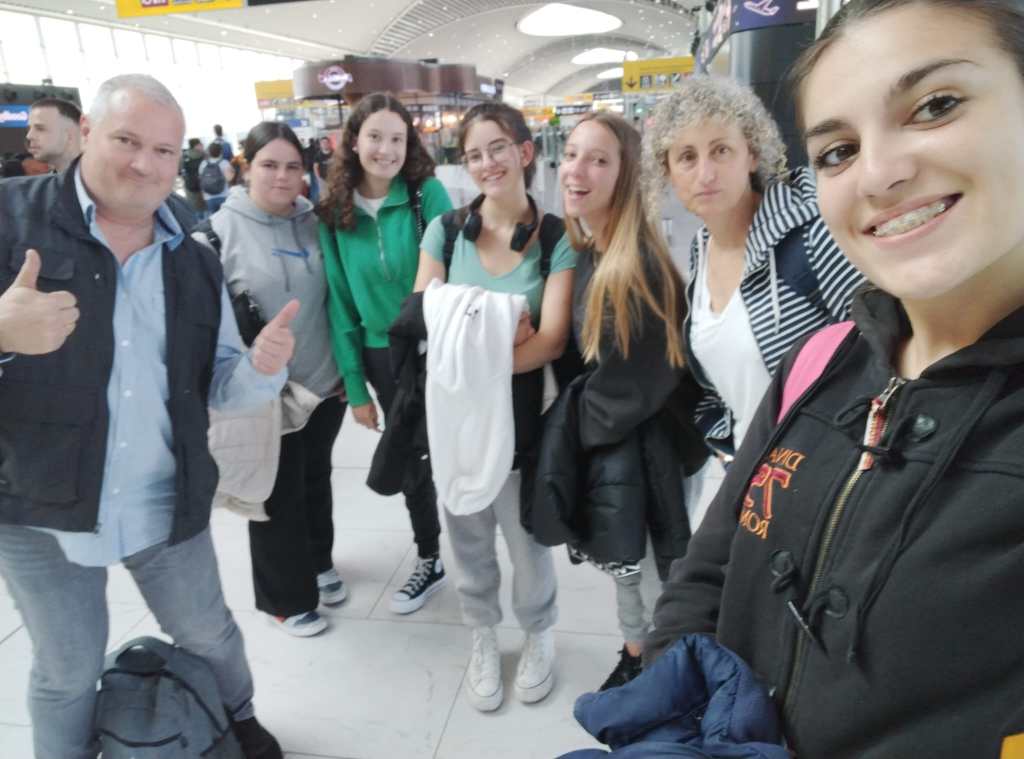
Here are some memorable highlights from our truly unforgettable week!
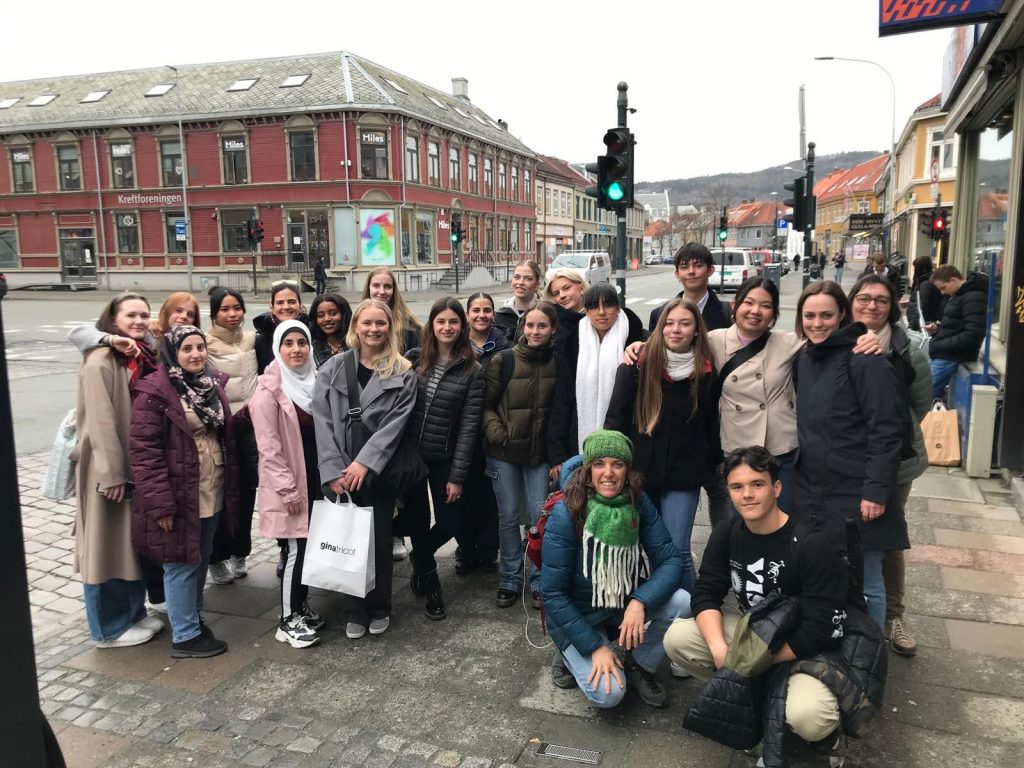
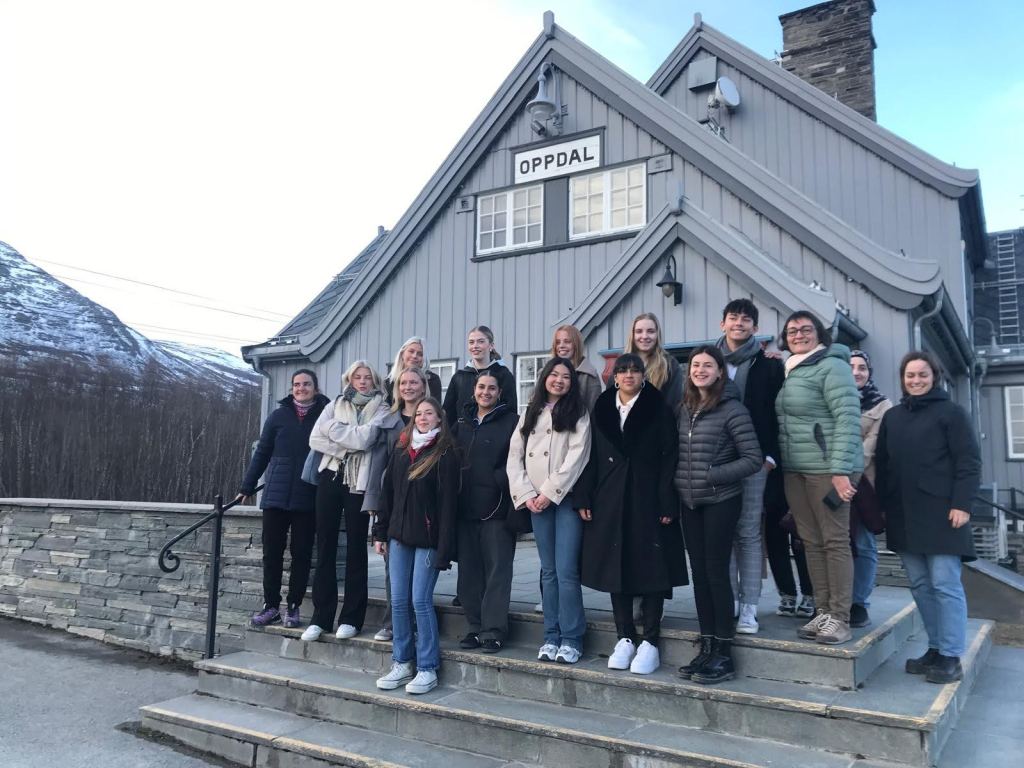
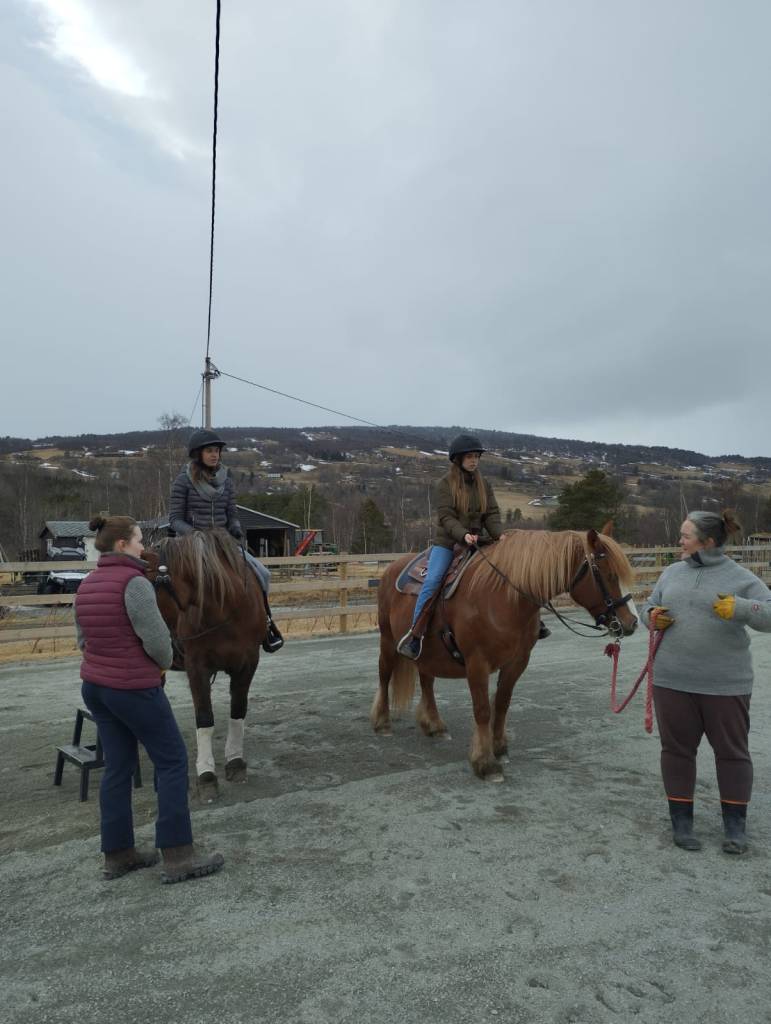
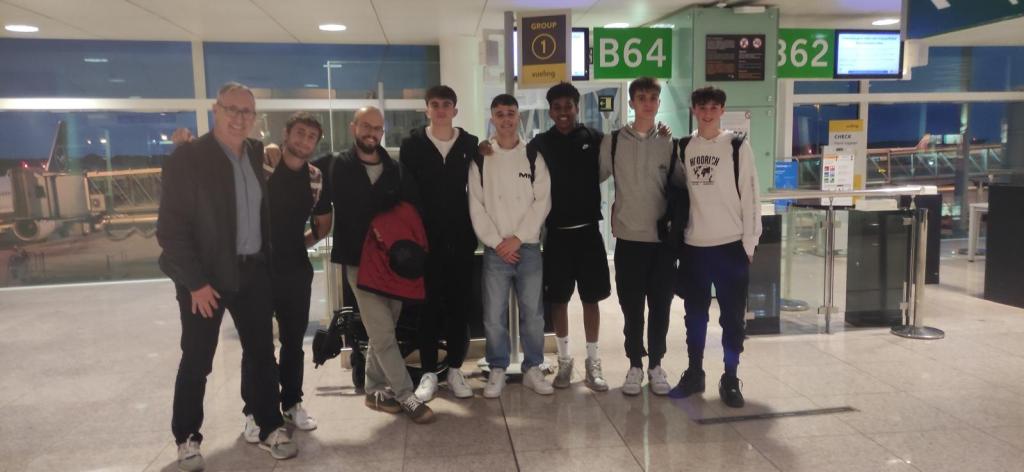
The trip to Oppdal, Norway, represented our school’s second mobility program and involved a group of 17 high school students. To engage all participants, we organized a Learning Situation in which three student groups (including those who did not travel) created initiatives to raise awareness about three Sustainable Development Goals (SDGs) as part of the “WE ARE CHANGING!” project within our Erasmus Plan. Each group traveled to Norway, Italy, and Germany to explore how to engage with their respective SDGs.
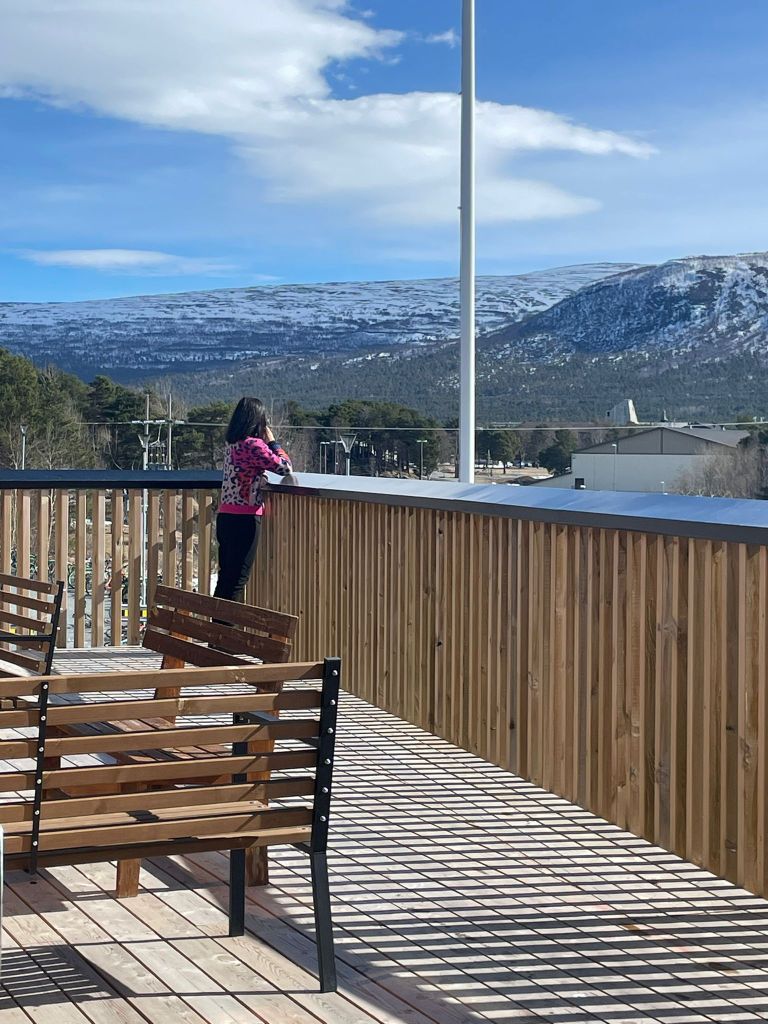
In Norway, our goal was to understand how the country addresses climate change. Activities included conducting a comparative study of local food prices and origins to evaluate Oppdal’s sustainability. We also explored SDG 5 through a visit to a Viking cemetery, focusing on the roles of women in that society. A debate on gender equality with Norwegian students significantly enhanced our students’ self-esteem as members of the European Union.
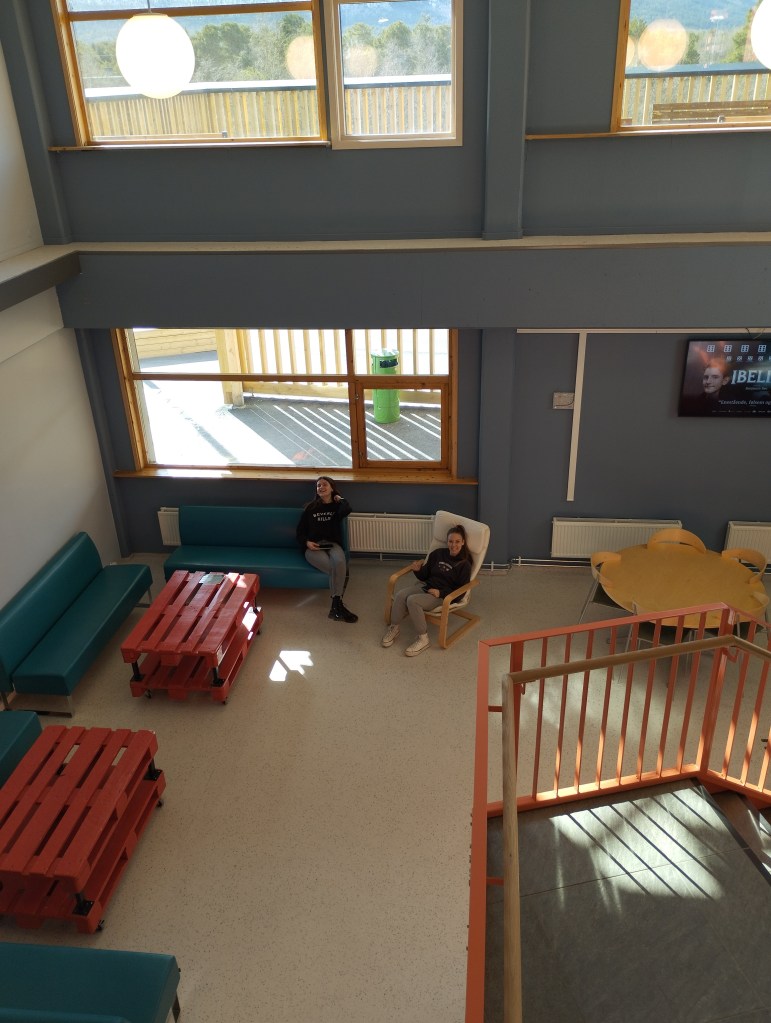
This experience allowed our students to observe a different educational system, providing valuable insights into time management and task assignments at the upper secondary level. Furthermore, the cultural visits deepened their understanding of the Nordic countries.
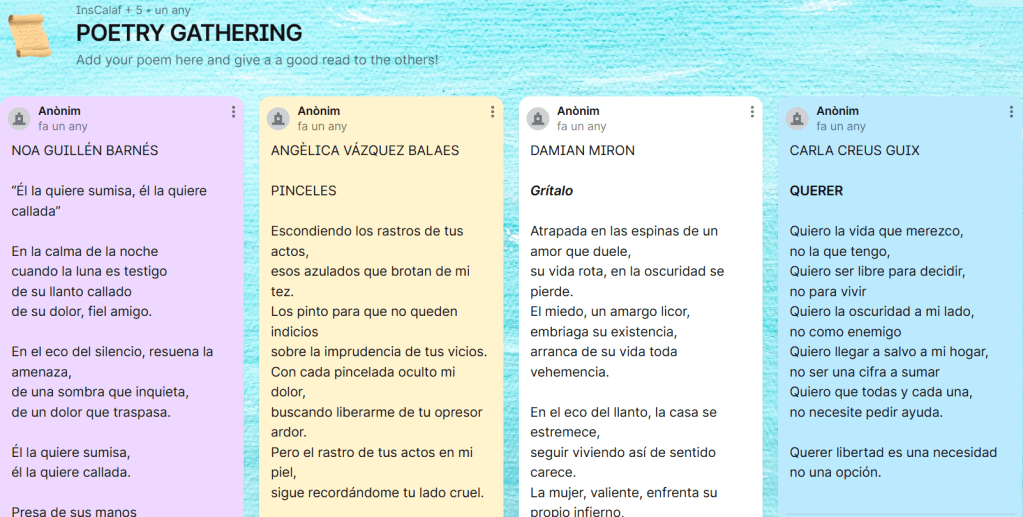
Forgive me Love, if, sometimes, I don’t understand that me that you call “you”, and which, sometimes, you also call with words that begin with “b” or “wh”.
I will give you my verses, by Araceli López Herrera
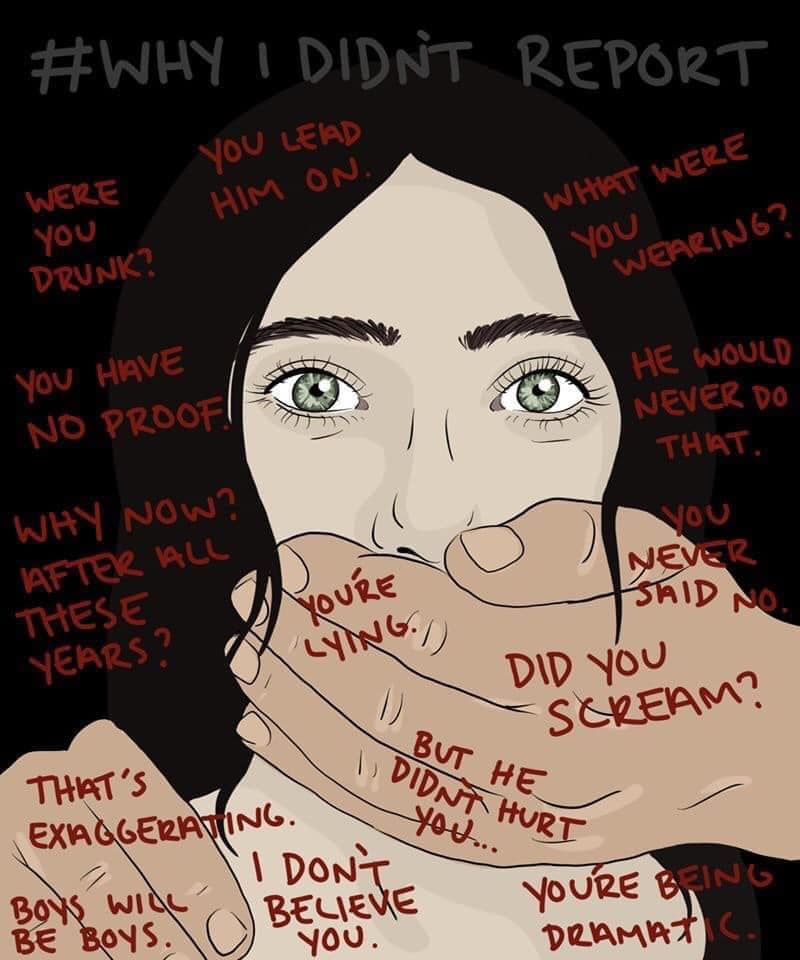
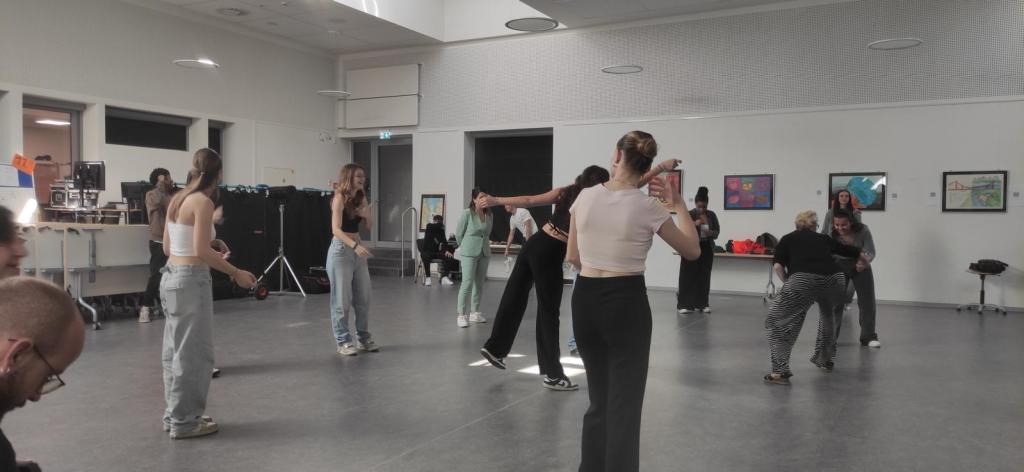
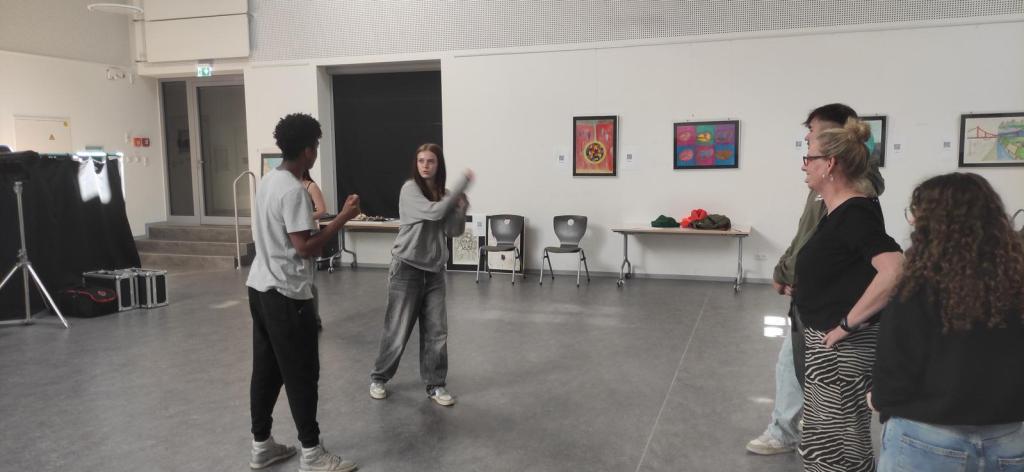
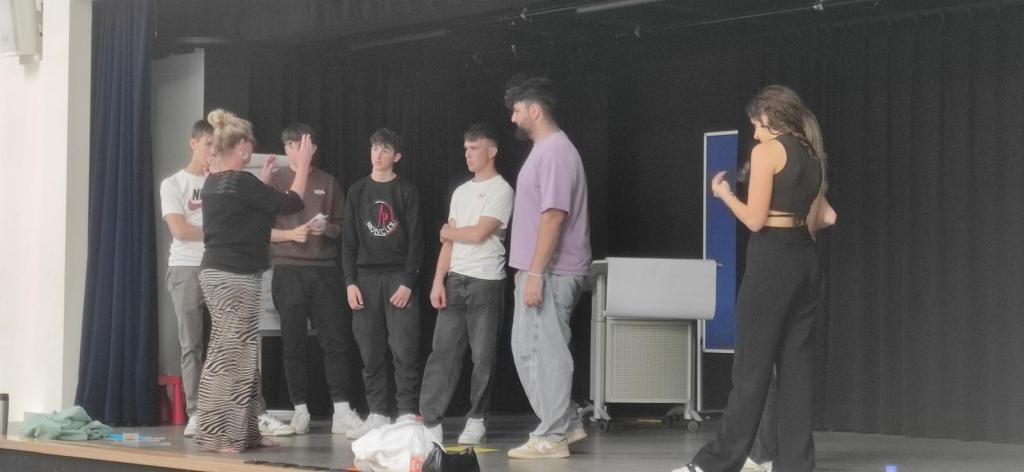
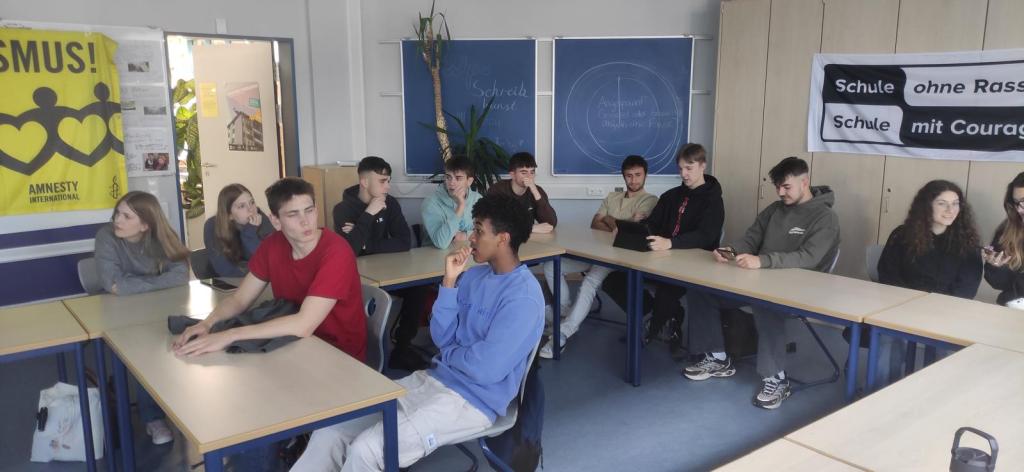
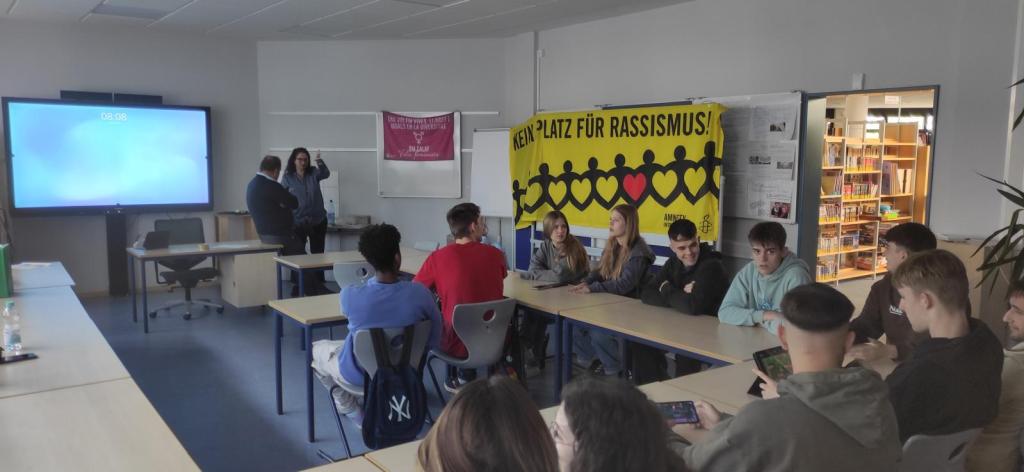
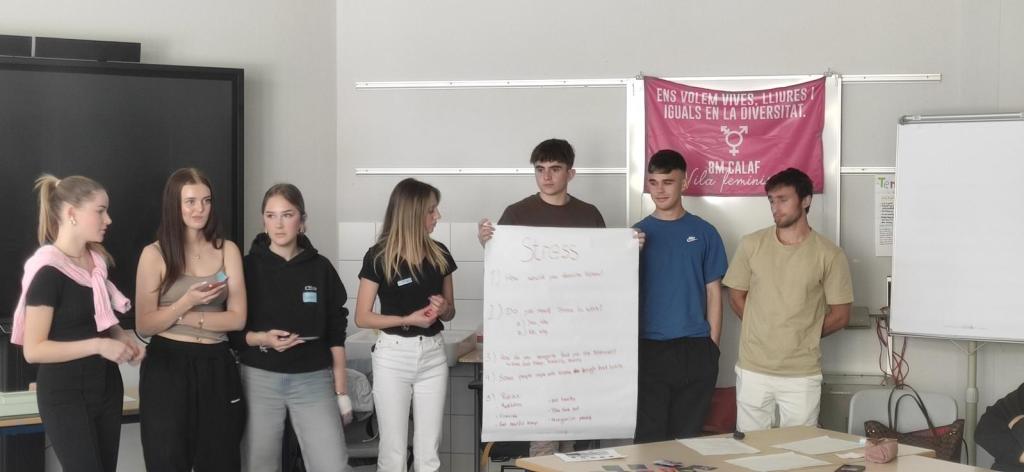
This workshop invites reflection on gender violence and its pervasive influence on our language, humour, and interactions. Students explore power, consent, and respect in shaping relationships, emphasising that safety and dignity should be universal. By reflecting on real experiences and challenging stereotypes, they understand how their choices can either perpetuate violence or promote inclusivity.
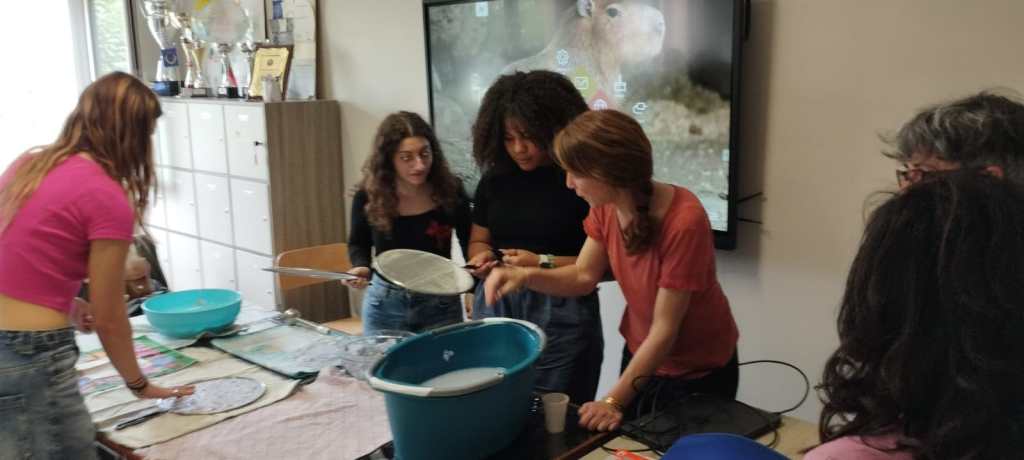
This mobility experience focused on sustainable consumption and fostering community values among European citizens. Workshops on creating recycled clothing, drawing, and oratory skills were conducted, alongside discussions on gender violence through art and creativity.
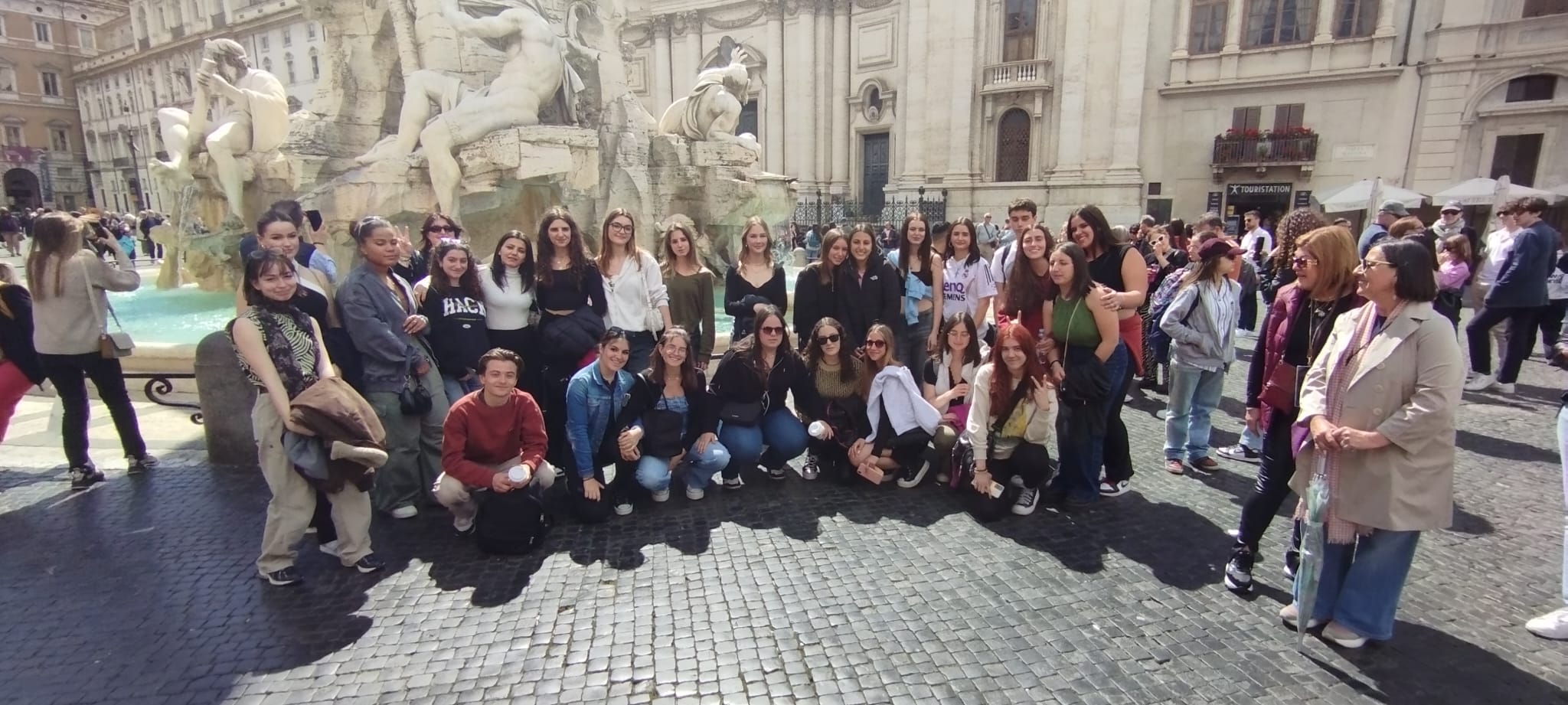
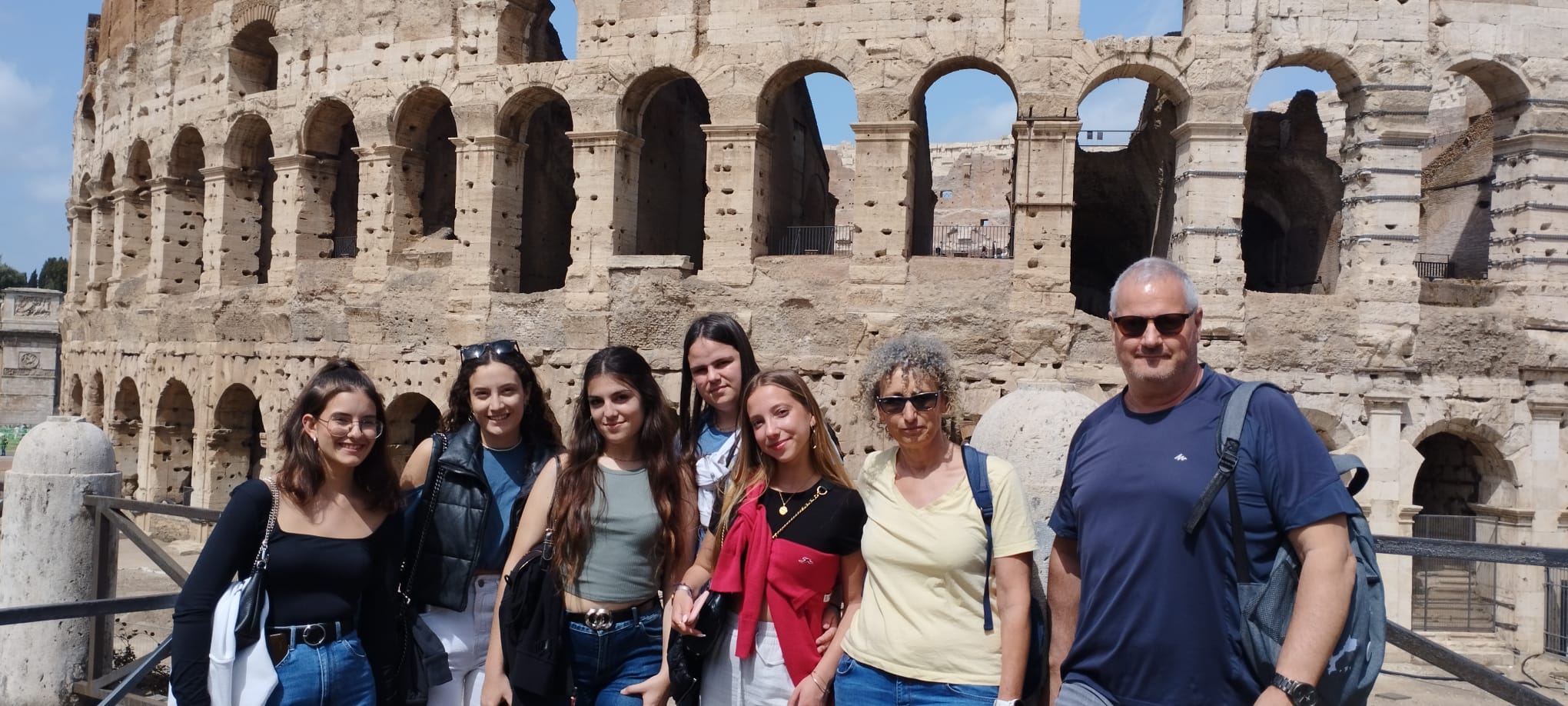
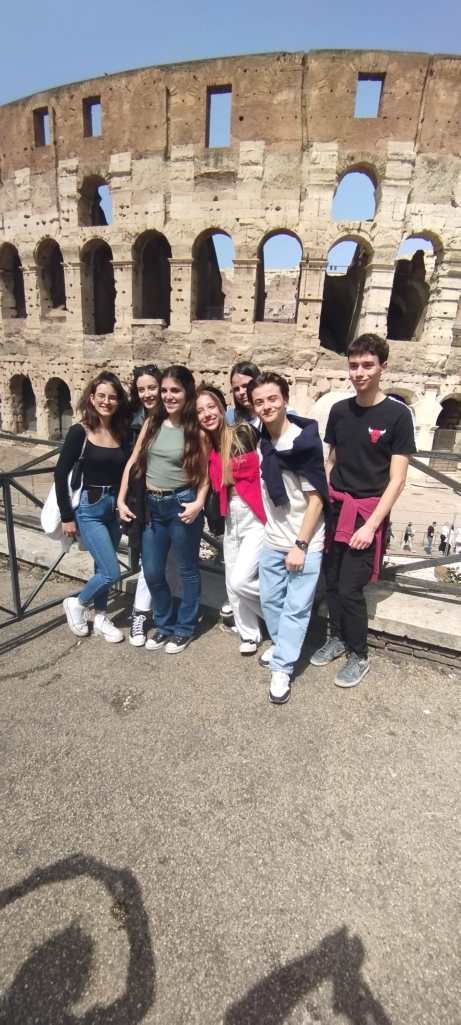
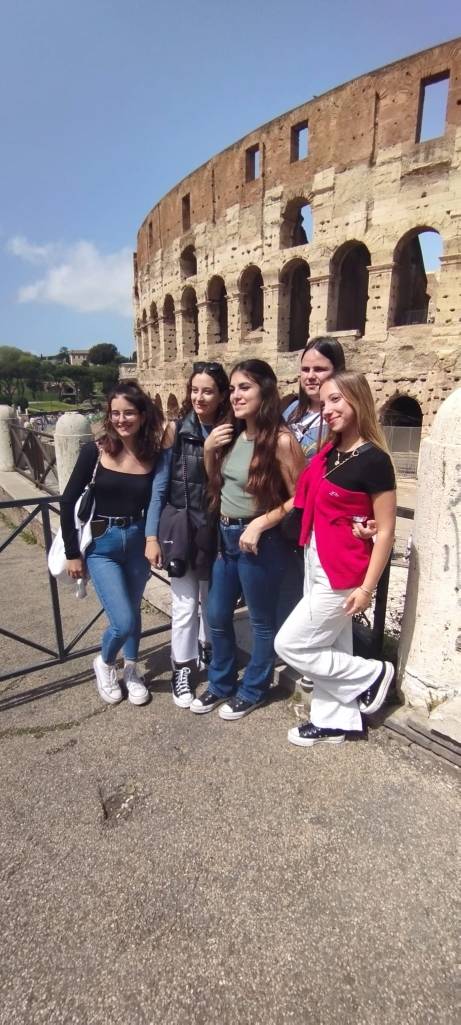
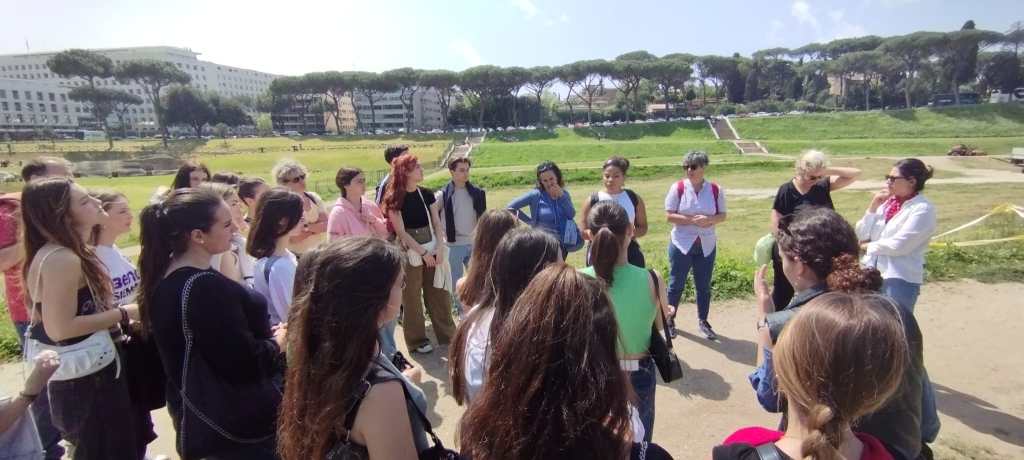
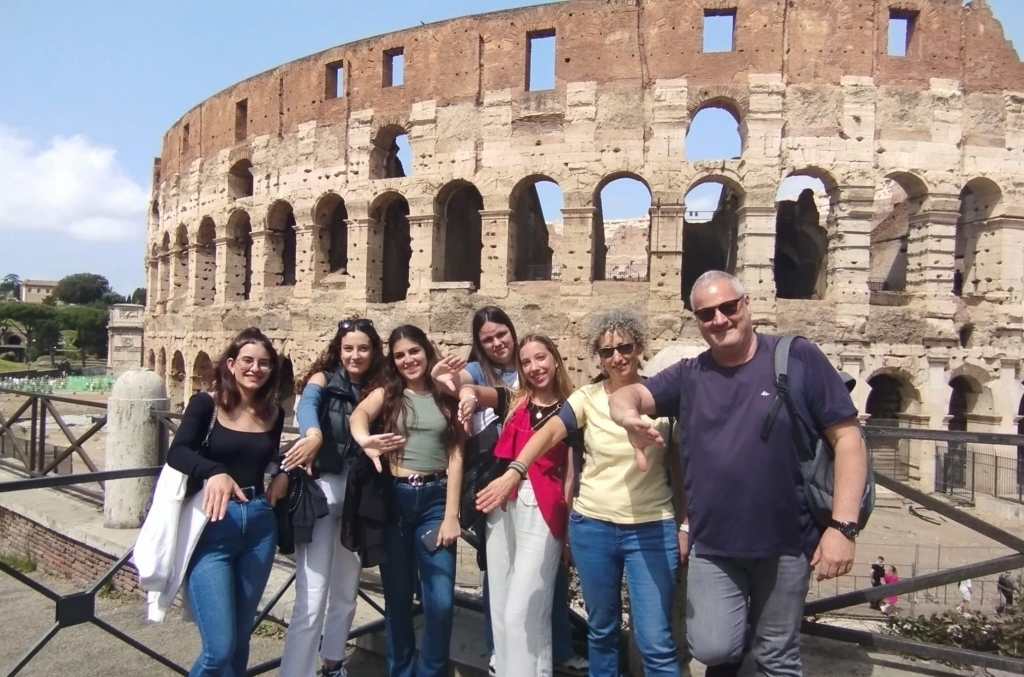
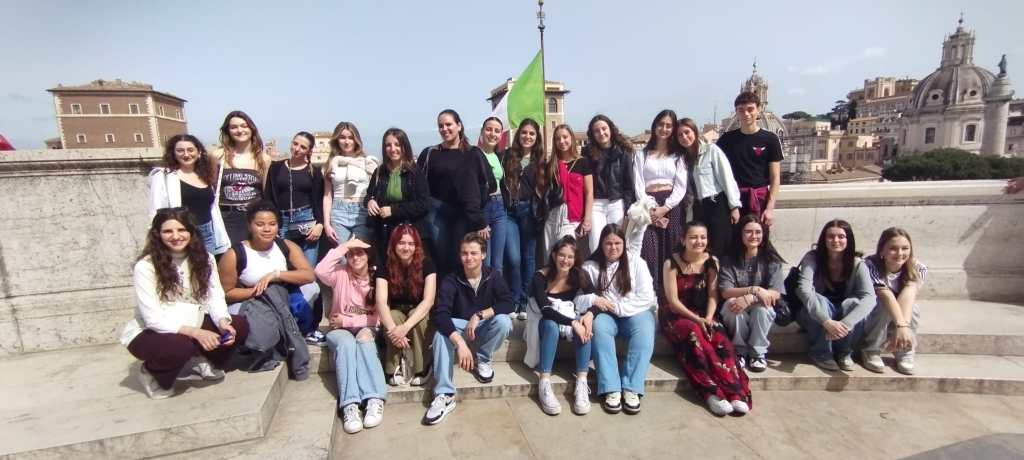
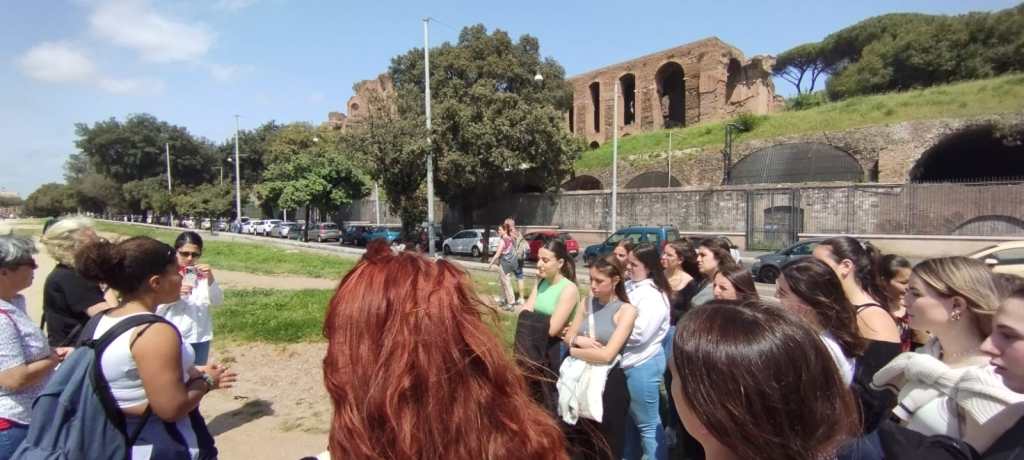
Proximity to Rome facilitated enriching visits related to history, art, and gastronomy, utilizing the “crossover learning” method to enhance cultural understanding. Students experienced life in a large institution with 1,500 students, contrasting with their own school of fewer than 300. They also explored Rome, gaining insights into a bustling metropolitan environment that differs significantly from their rural surroundings.
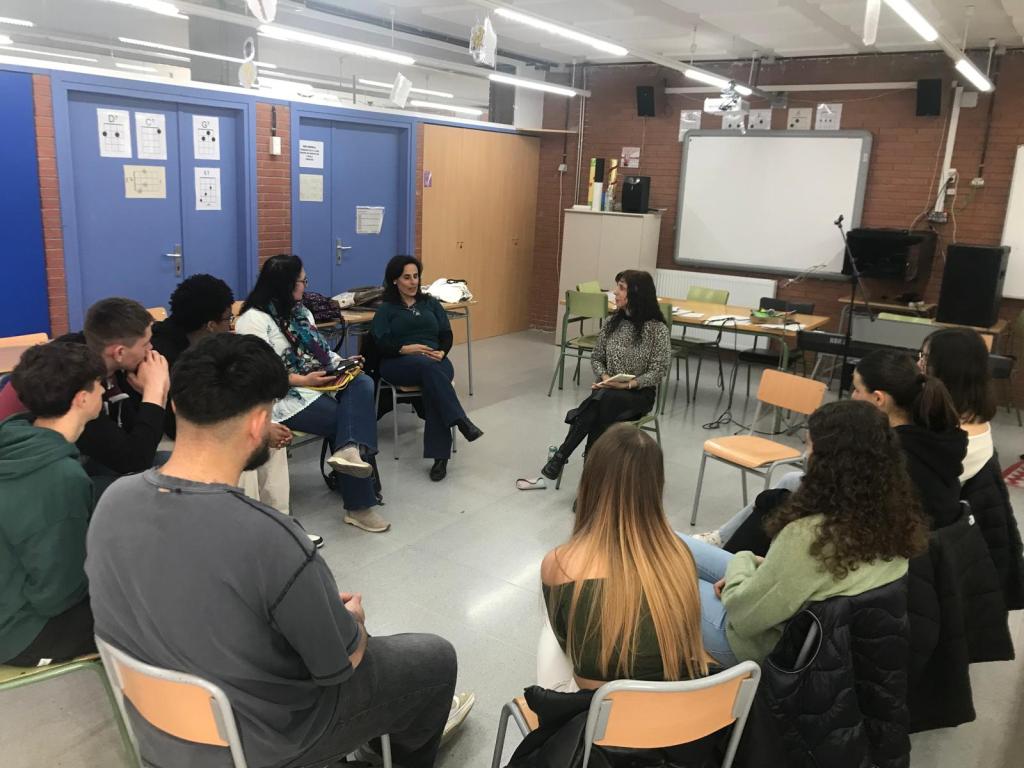
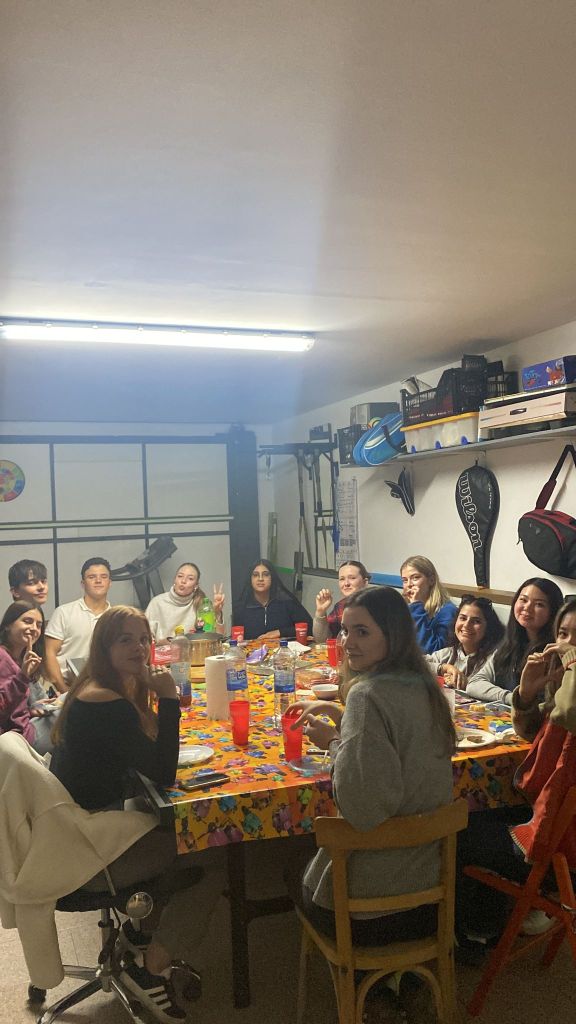
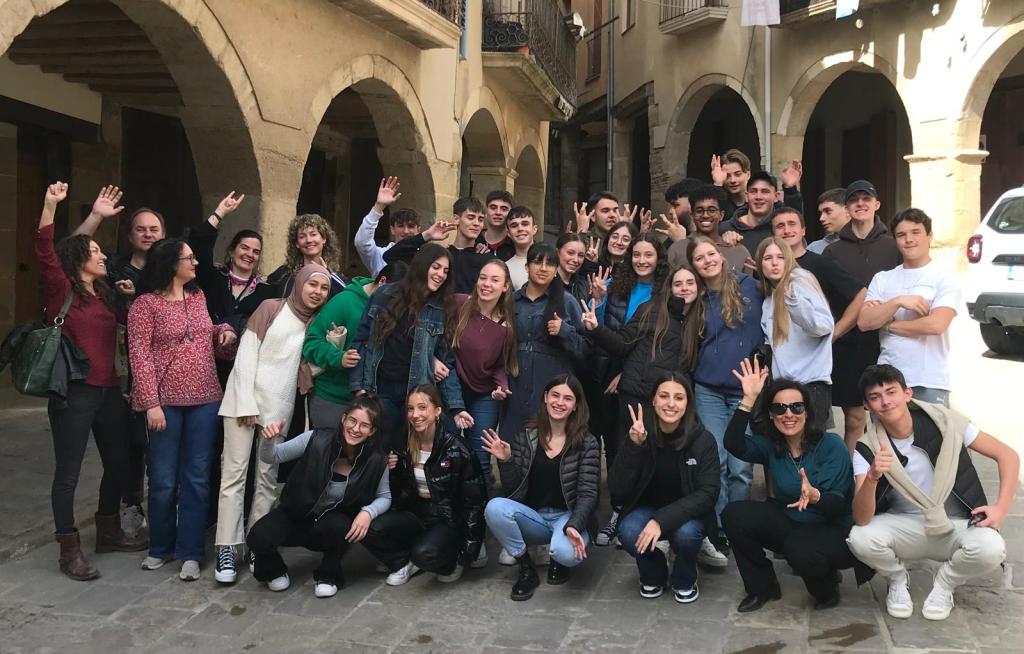
The host mobility event in Calaf in March played a pivotal role in forging a strong sense of unity within this project, bringing everyone together in an exciting and collaborative way
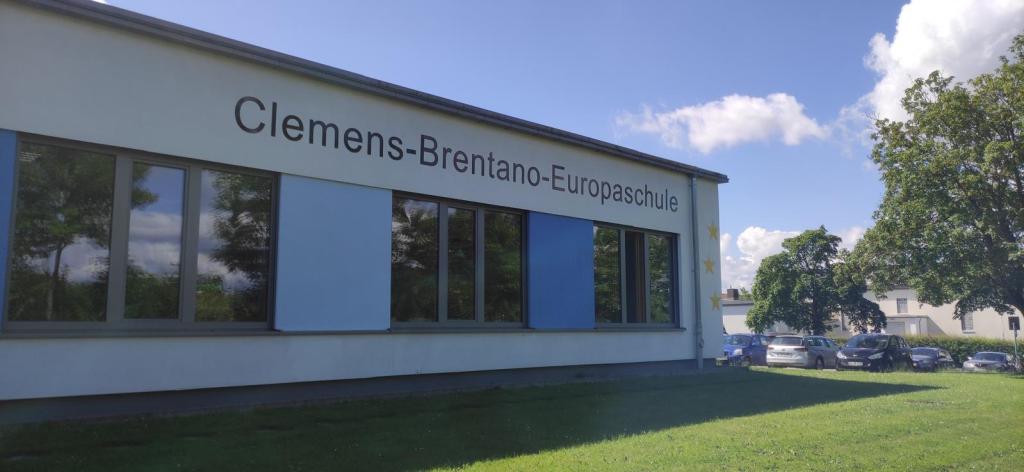
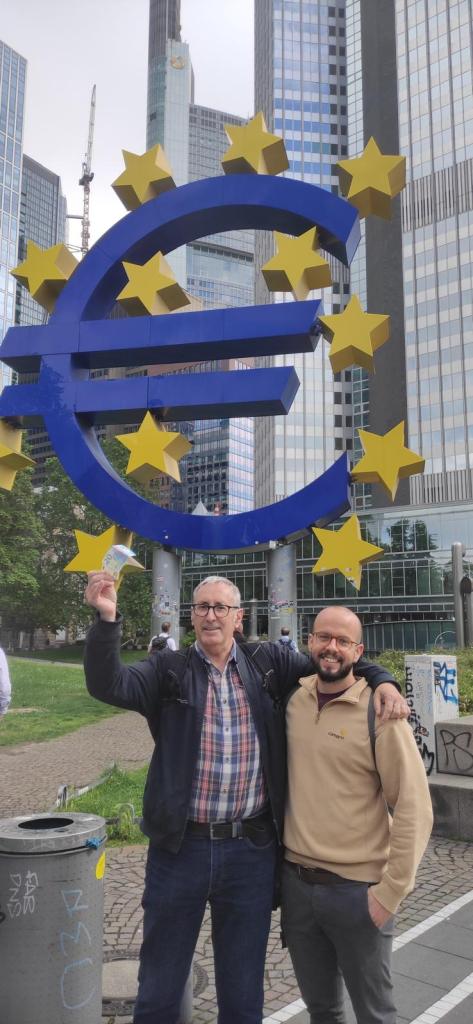
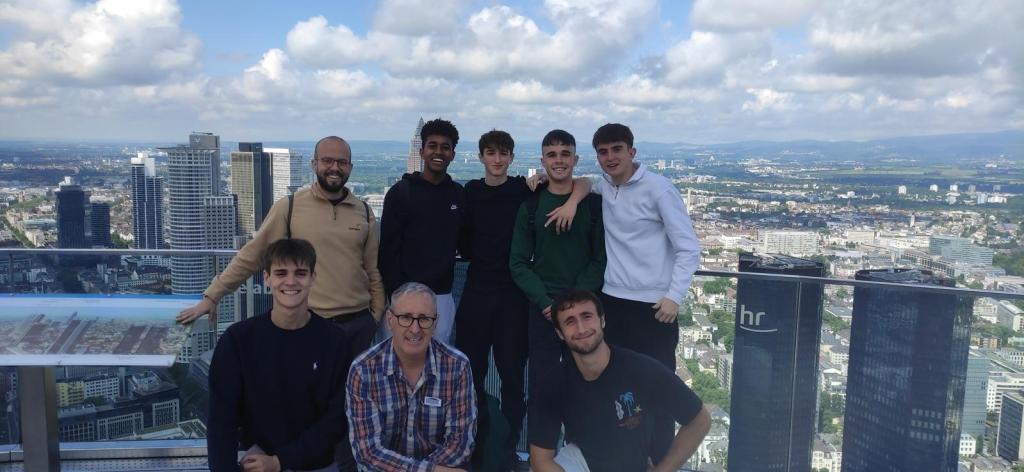
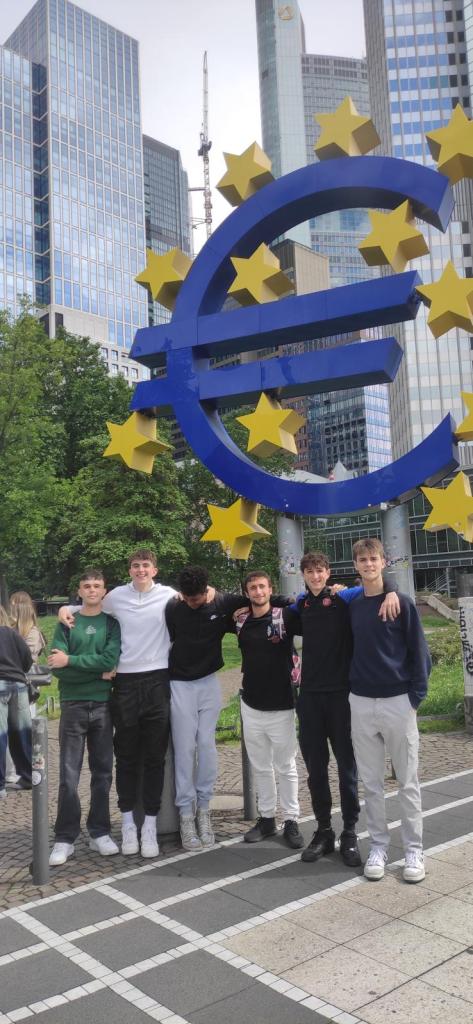
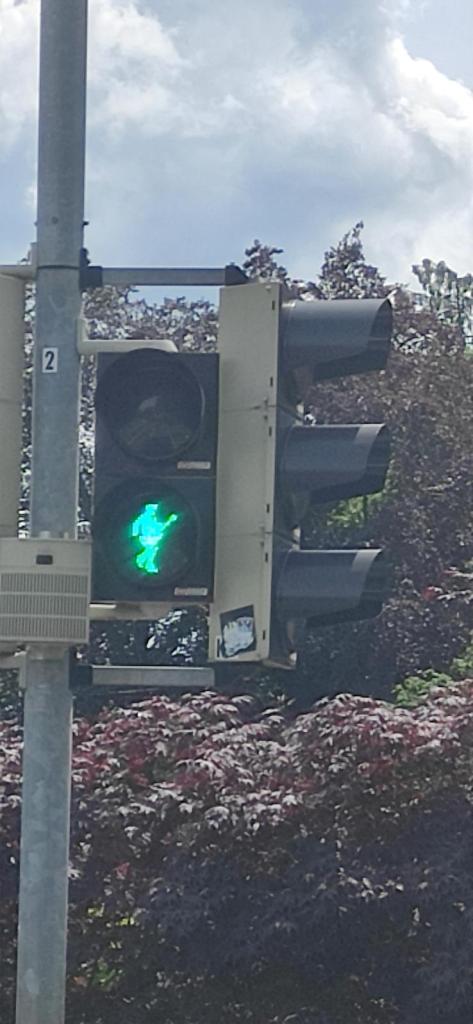
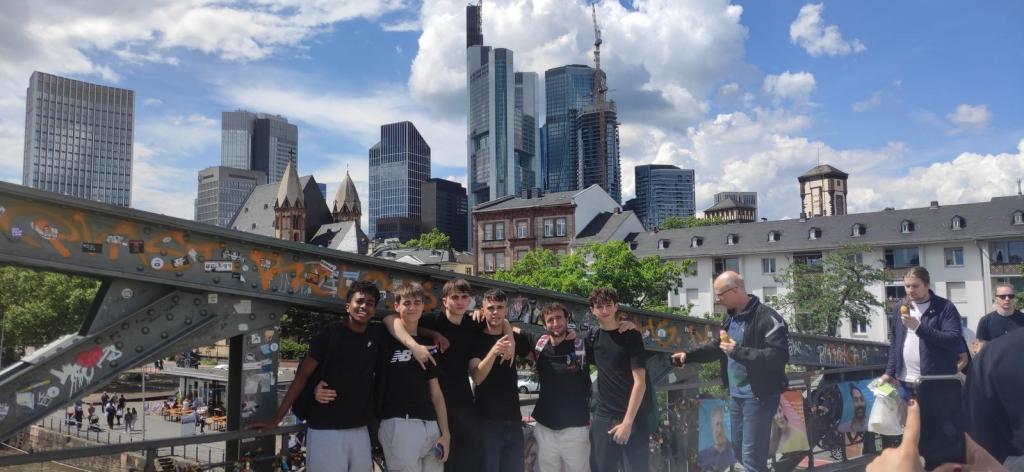
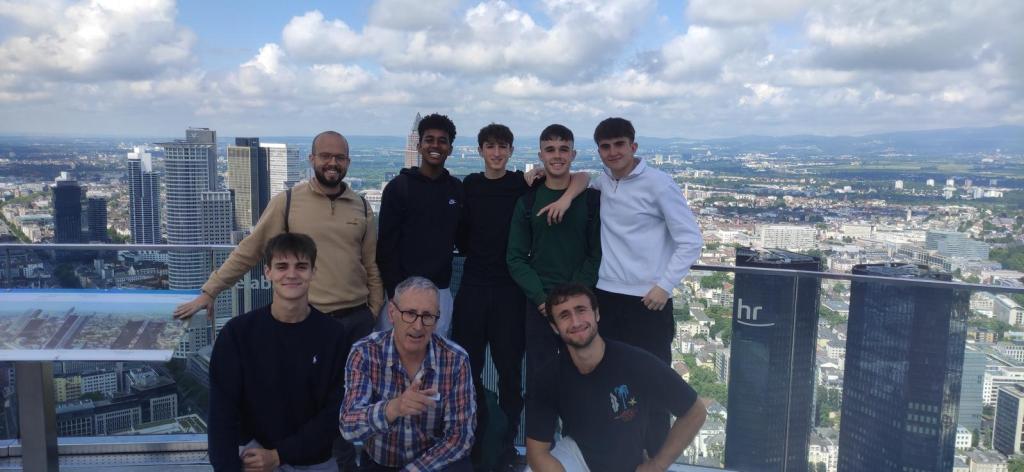
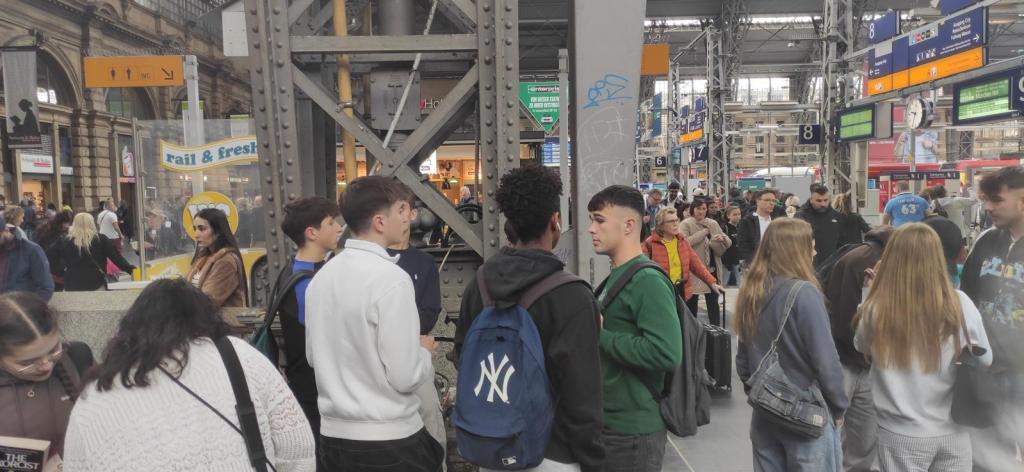
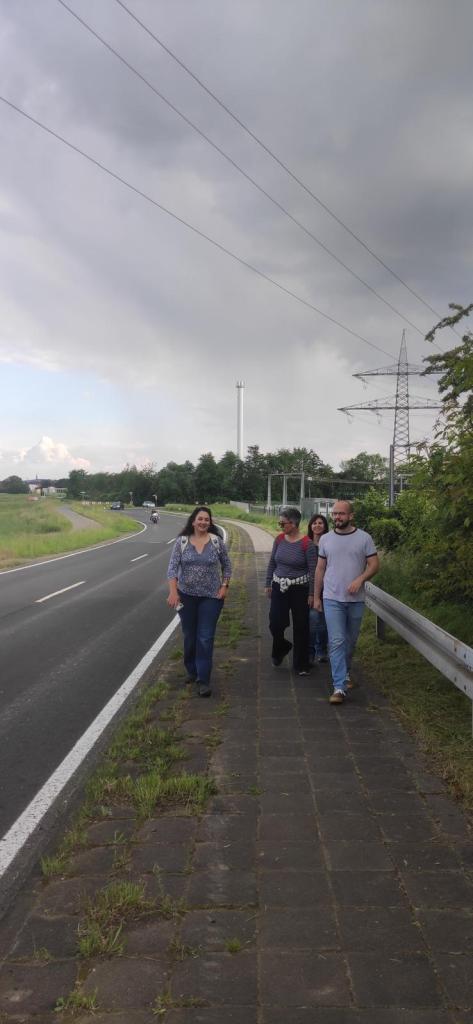
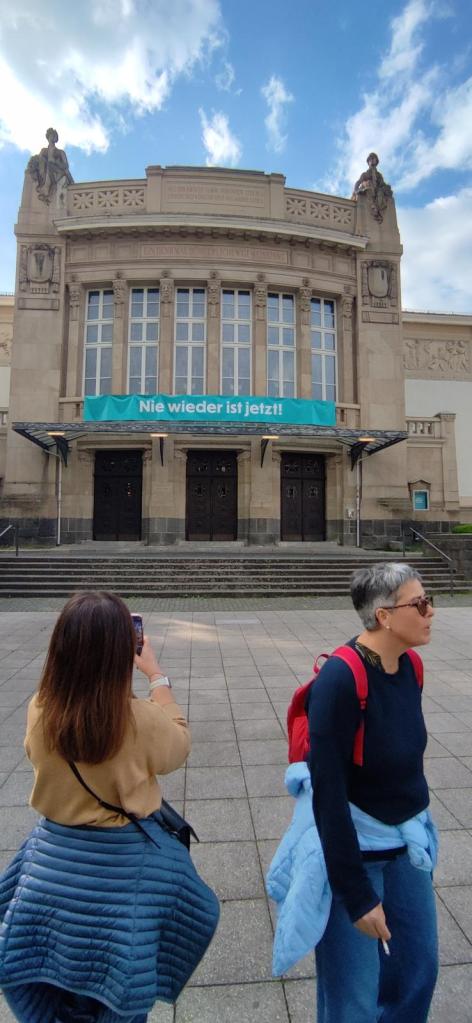
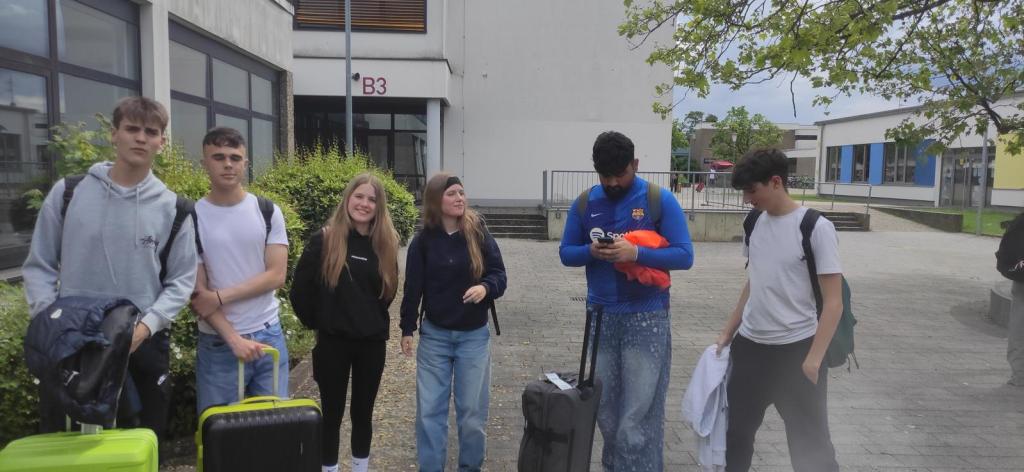
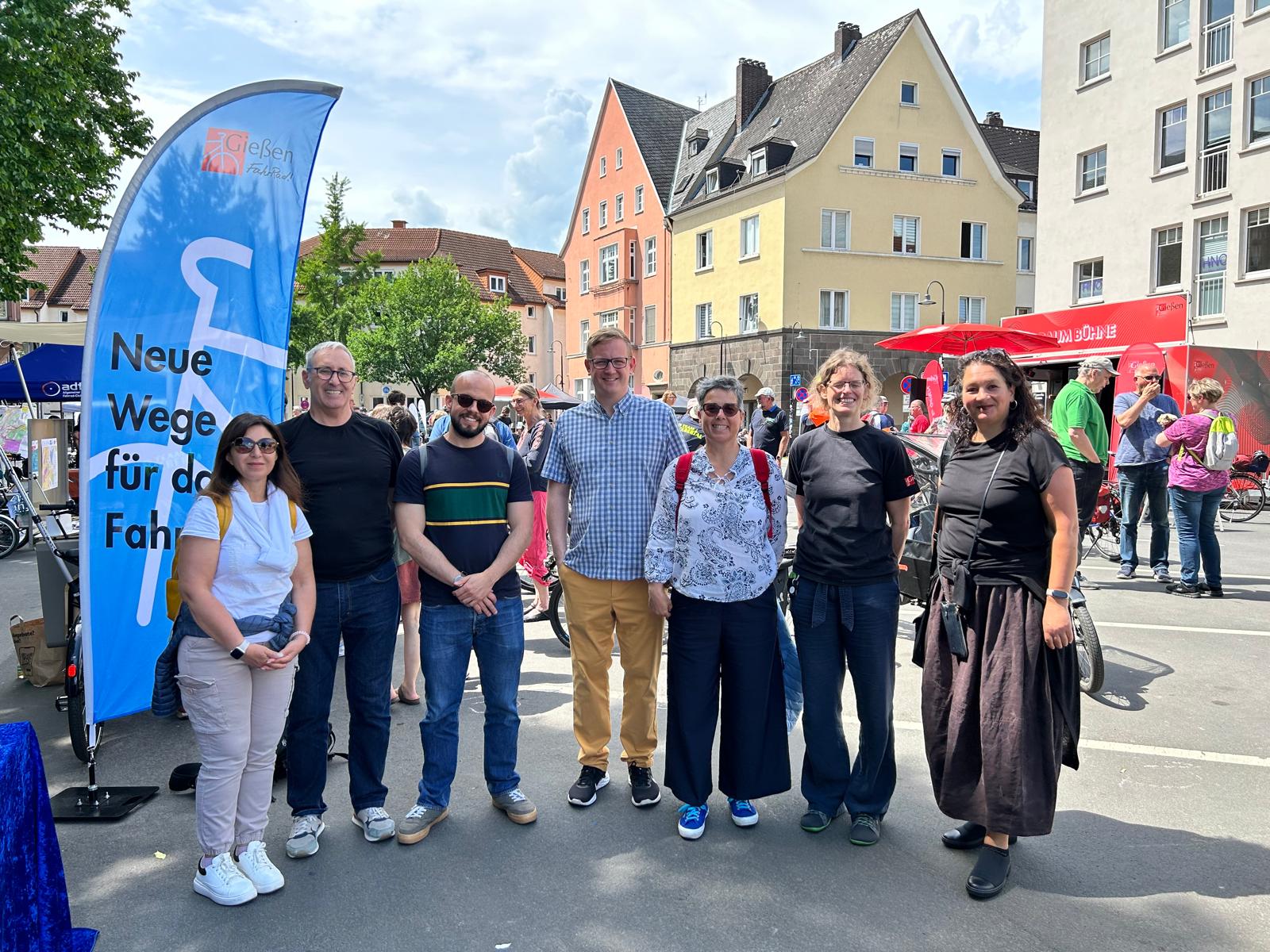
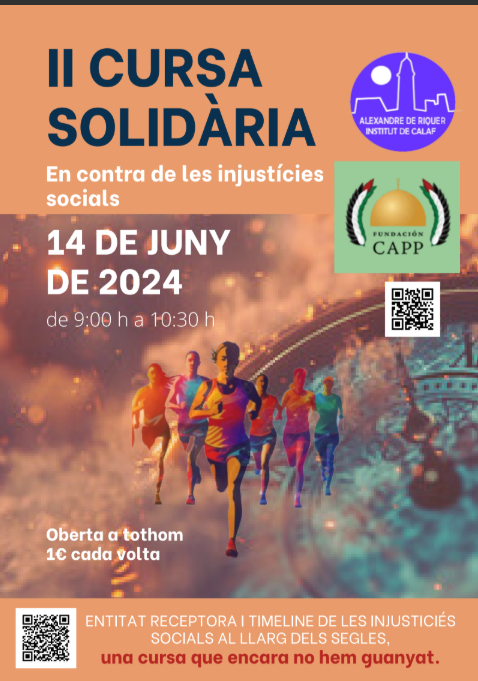
We chose the dates for our mobility in Germany to align with an annual school day celebrating bicycle transportation (SDG 13), a project that earned national recognition for our host center. Our goal was to learn how they organized this event to adapt their successful strategies. The participating students acted as ambassadors, gathering ideas that informed our new initiative, the Solidarity Run against Social Inequalities (SDG 10). While we initially planned to conduct the race by bicycle, logistical limitations at our center will prompt us to explore this option in future editions.
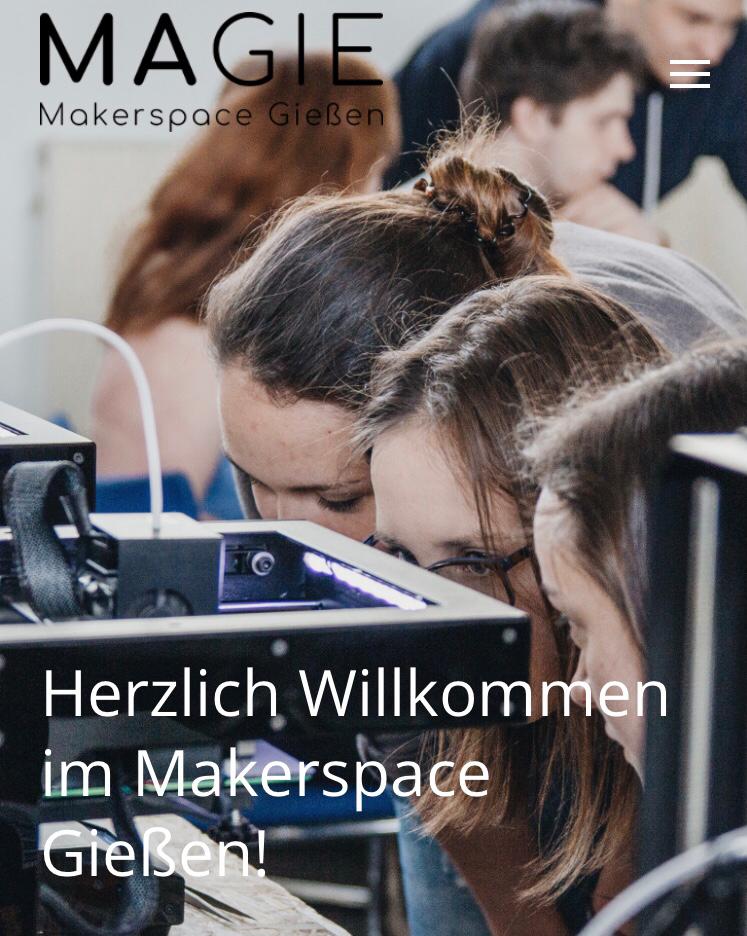
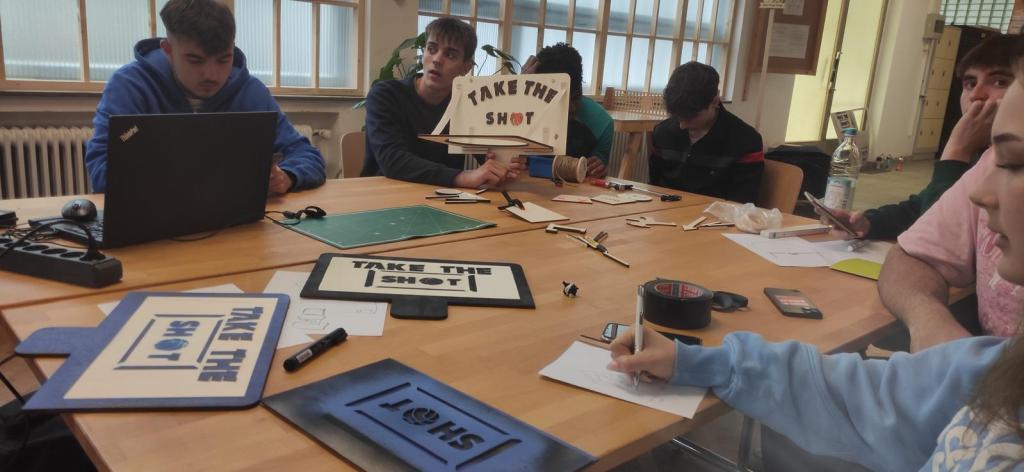
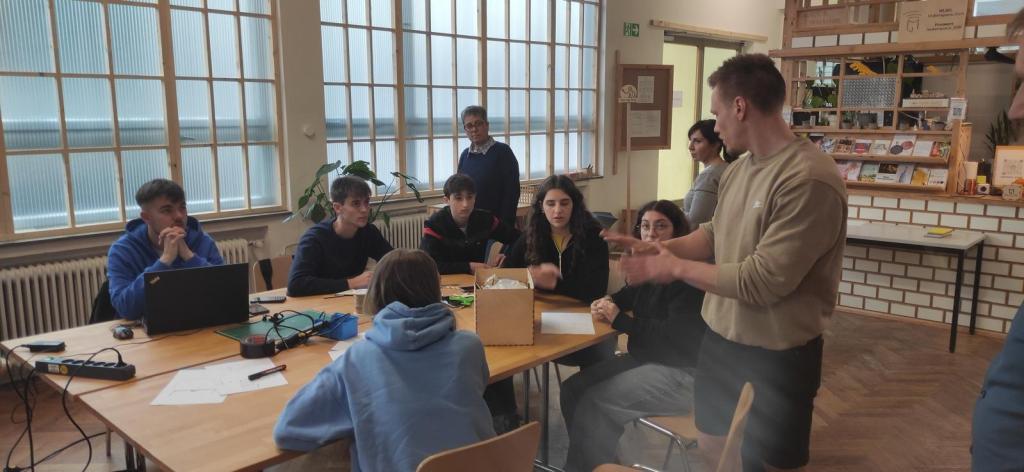
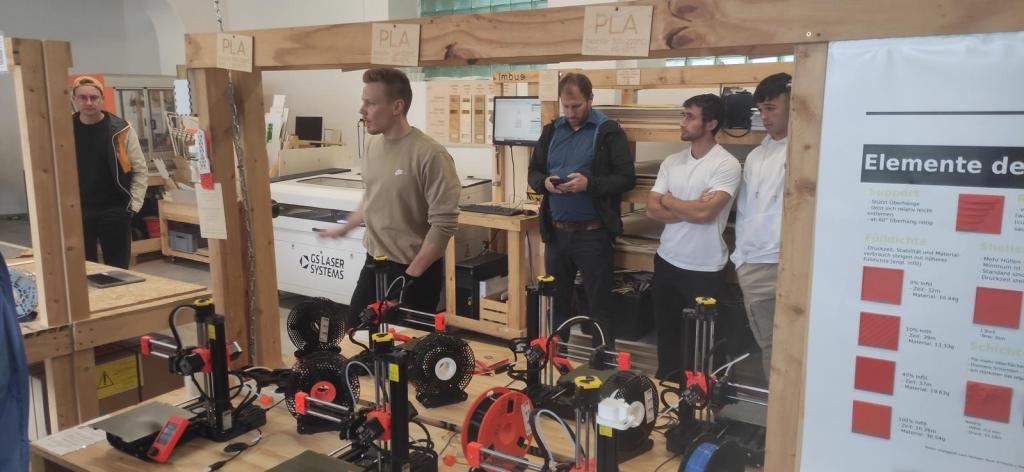
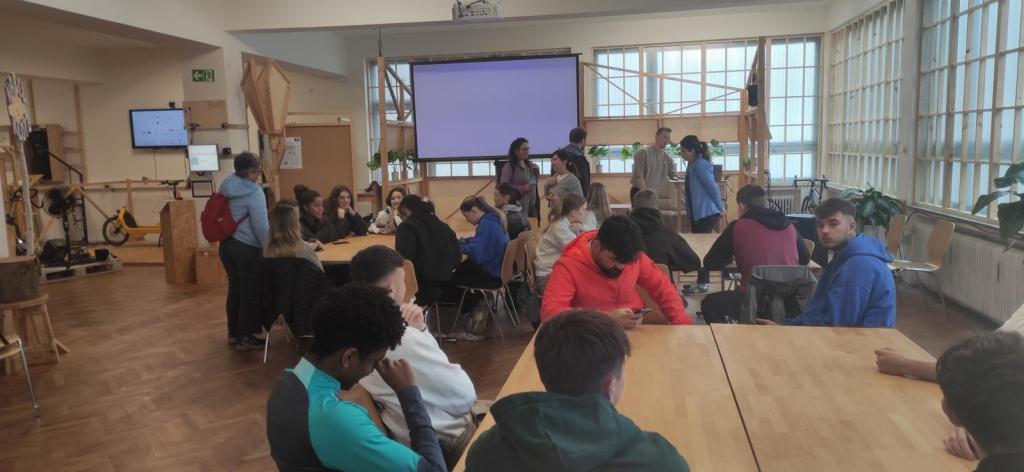
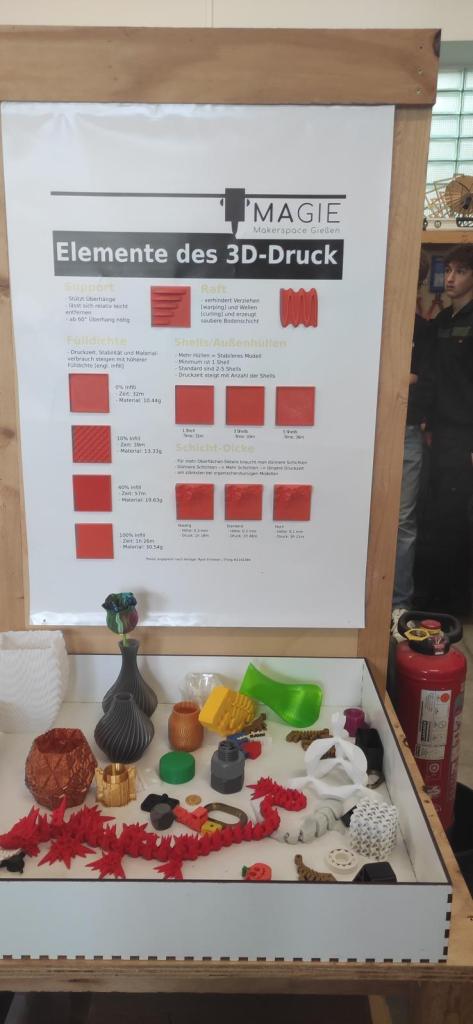
Throughout the week, students engaged in activities addressing climate change, equal opportunities, and recycling (Makerspace). They also attended a mental health workshop from the “Crazy – so what?” program, which we hope to incorporate into our Erasmus Plan in the 2024-2026 academic year. This allowed our teachers to gain insights into addressing mental health issues prevalent among adolescents.
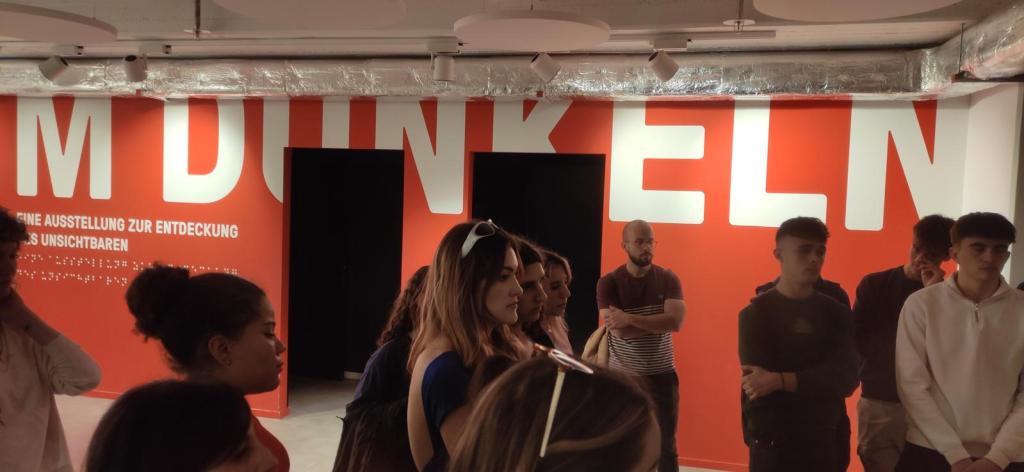
A standout experience was visiting a museum for the blind, which significantly enhanced our students’ understanding of disability and inclusion.
We empower individuals to realize their ideas and unlock their potential, enabling them to surpass their own expectations. By encouraging a “do-it-yourself” approach, people learn to value hard work and the resources they have.
We unite individuals who might not otherwise have the opportunity to meet, thereby fostering social cohesion.
We promote a critical examination of technological advancements, considering their social and ecological impacts.
Learning from European countries and Creating a Lasting Impact:
How Our Ersamus+ Project Contributes to the Sustainable Development Goals (SDGs) in Our School Community in Calaf
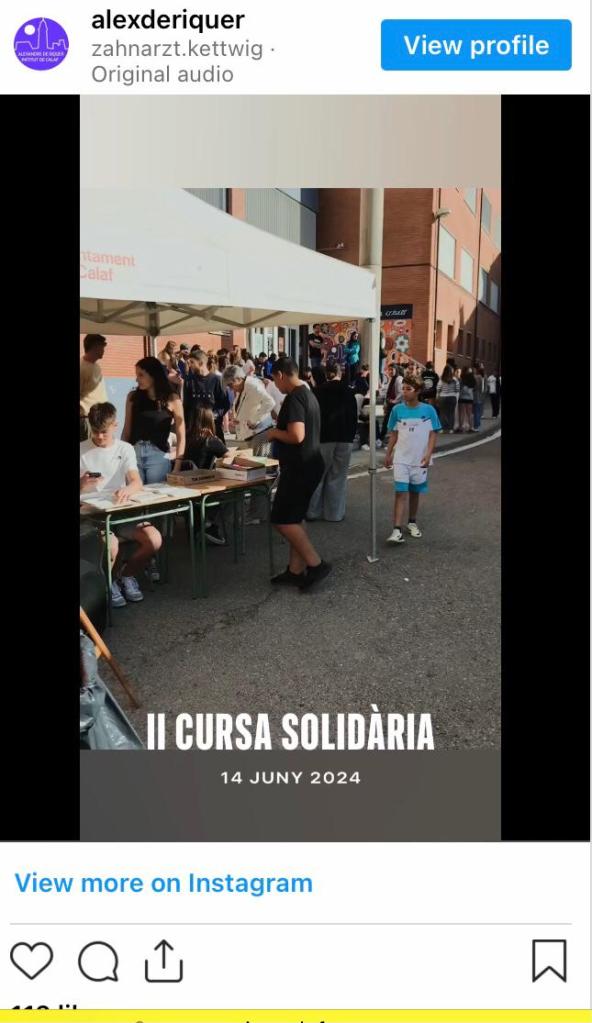
Solidarity Run against Social Inequalities
Throughout the centuries, social injustices have persisted, and it seems unlikely that we can completely eradicate them. The fight against these injustices is a long and challenging journey. This is why the Institut Alexandre de Riquer supports just causes and initiatives that can create a direct impact on society. This year, the funds raised from our solidarity race will be donated to the CAPP Foundation, which assists orphaned children in Palestine.
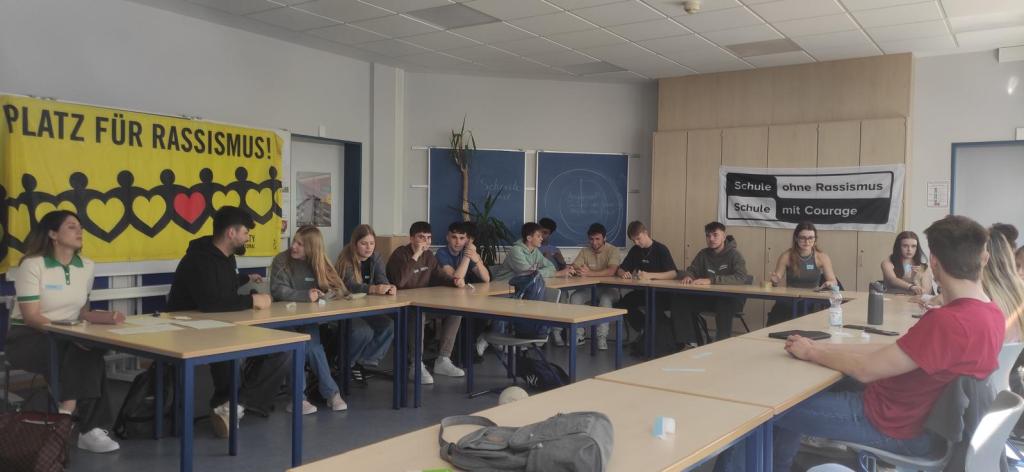
Embracing diversity offers students the opportunity to engage with various cultures and gain valuable insights. This experience nurtures cultural sensitivity and equips them with effective strategies for building positive relationships. By participating in these activities, students explore new ideas and perspectives, fostering an appreciation for differences. They are encouraged to reflect on their own values and to challenge attitudes rooted in discrimination or stereotypes. Ultimately, the project seeks to promote a shared culture and a commitment to sustainability and democratic values.




 ERASMUS+ PROJECTS